Buy team.me.uk ?
We are moving the project
team.me.uk .
Are you interested in purchasing the domain
team.me.uk ?
domain@kv-gmbh.de · 0541-91531010
Buy team.me.uk ?
Can someone explain the difference between Chan Buddhism and Buddhism to me?
Chan Buddhism, also known as Zen Buddhism, is a school of Mahayana Buddhism that emphasizes meditation and direct experience of enlightenment. It originated in China and later spread to Japan, where it is known as Zen. Chan Buddhism places a strong emphasis on the use of meditation to achieve enlightenment and often incorporates elements of Taoism and Confucianism. On the other hand, Buddhism refers to the broader religion and philosophy that encompasses various schools and traditions, including Theravada, Mahayana, and Vajrayana. While Chan Buddhism is a specific school within Mahayana Buddhism, Buddhism as a whole encompasses a wide range of beliefs, practices, and cultural expressions. The differences between Chan Buddhism and Buddhism lie in their specific teachings, practices, and historical development, but both share the fundamental goal of achieving enlightenment and liberation from suffering. **
What are the differences between Buddhism and Tibetan Buddhism?
Buddhism is a broader religion that encompasses various traditions and schools, while Tibetan Buddhism is a specific branch of Buddhism that developed in Tibet. Tibetan Buddhism incorporates elements of Tibetan culture, such as rituals, deities, and practices like chanting and visualization. It also places a strong emphasis on the teachings of Tibetan Buddhist masters and the importance of the Dalai Lama. Additionally, Tibetan Buddhism includes unique practices such as the use of prayer flags, prayer wheels, and mandalas. **

Similar search terms for Buddhism
Top-Angebote
Products related to Buddhism:
-
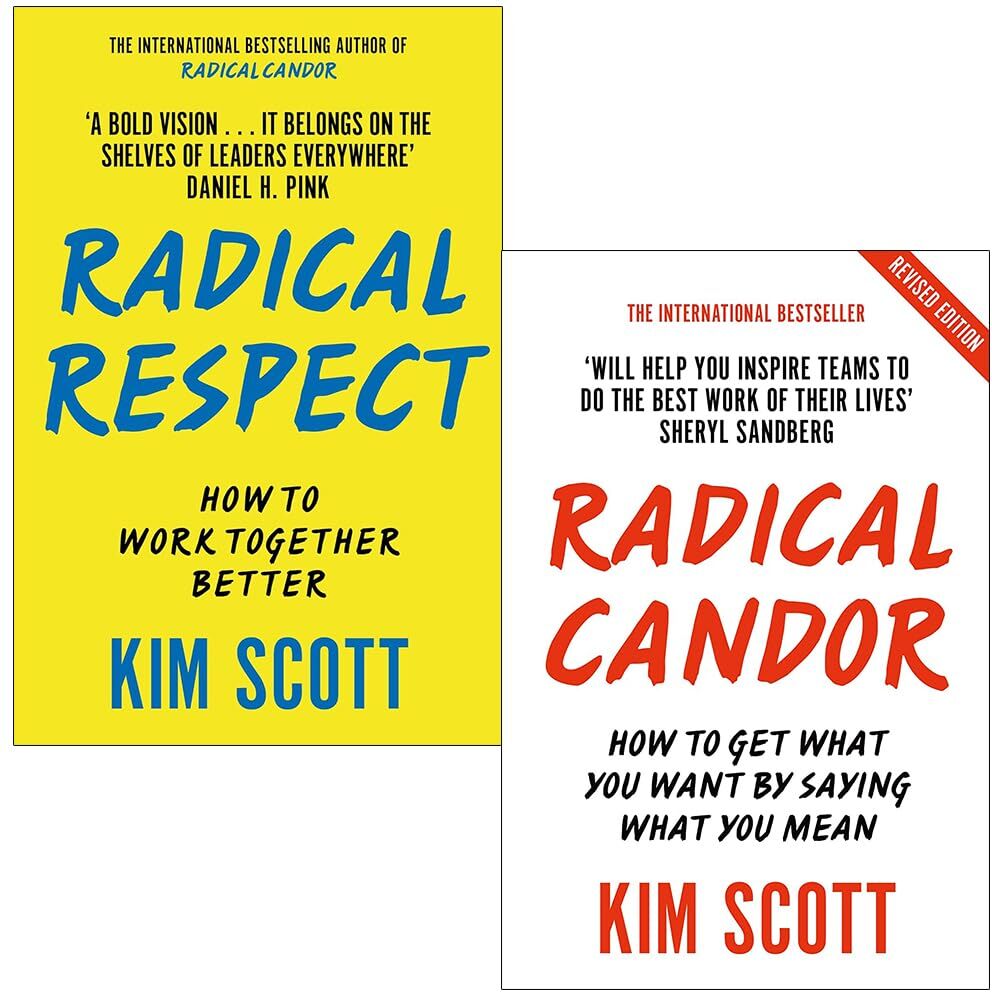
MACMILLAN Kim Scott Collection 2 Books Set Radical Respect & Radical Candor – Leadership, Communication & Workplace Culture GuidesThe Kim Scott Collection – 2 Books Set brings together two transformative leadership bestsellers: Radical Respect and Radical Candor. Written by acclaimed workplace expert Kim Scott, these books offer practical, honest, and empowering guidance for building stronger teams, better communication, and healthier workplace cultures. In Radical Candor, Scott introduces her now-famous framework:Care Personally + Challenge Directly.Learn how to deliver feedback effectively, build trust, and lead with clarity without becoming overly harsh or avoiding difficult conversations. In Radical Respect, Scott expands on inclusion, fairness, accountability and anti-bullying frameworks—showing readers how to build workplaces rooted in dignity, psychological safety, and genuine respect. Together, these books provide a complete roadmap for leaders, managers, HR teams and anyone who wants to communicate better, lead with courage, and create workplaces where people thrive.6,99 £*Shipping: 2,99 £Secure redirect to the provider
-
Various Publishers How to Talk to Anyone, Next Conversation & Psychology of Management - 3 Book Paperback Set - Communication, Leadership & Management PsychologyThis 3-book collection set brings together three practical, people-focused reads for anyone who wants to communicate better and lead more effectively. Leil Lowndes' classic 'How to Talk to Anyone' pairs with Jefferson Fisher's 'Next Conversation' and a foundational 'Psychology of Management' title to cover everyday conversation, conflict resolution, and workplace psychology in one bundle. Whether you are prepping for interviews, managing a team, or simply want to feel more confident in social situations, this paperback set offers accessible, actionable guidance you can start using immediately. The set includes 'How to Talk to Anyone' by Leil Lowndes, 'Next Conversation' by Jefferson Fisher, and 'Psychology of Management'.20,99 £*Shipping: 2,99 £Secure redirect to the provider
-
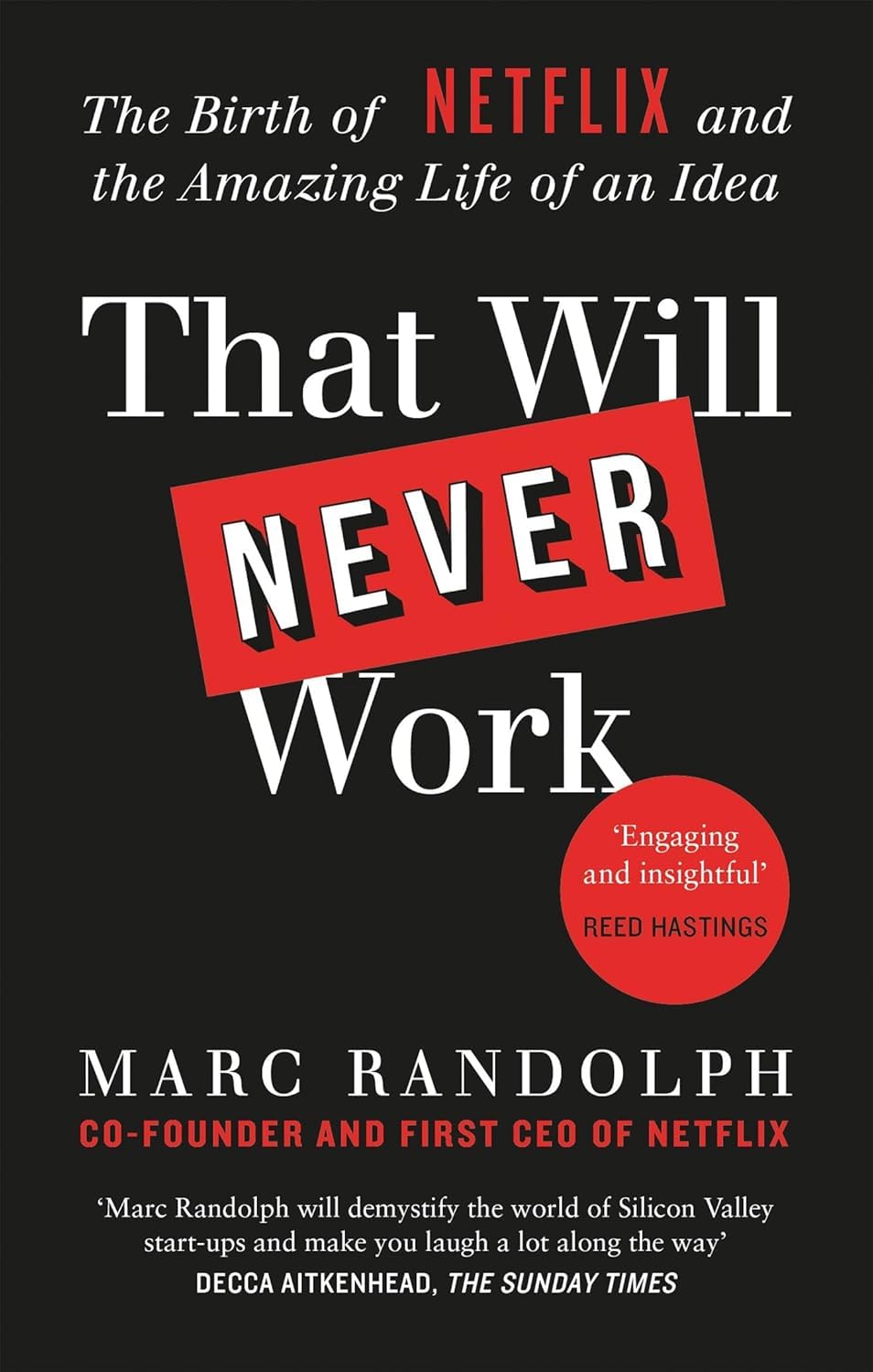
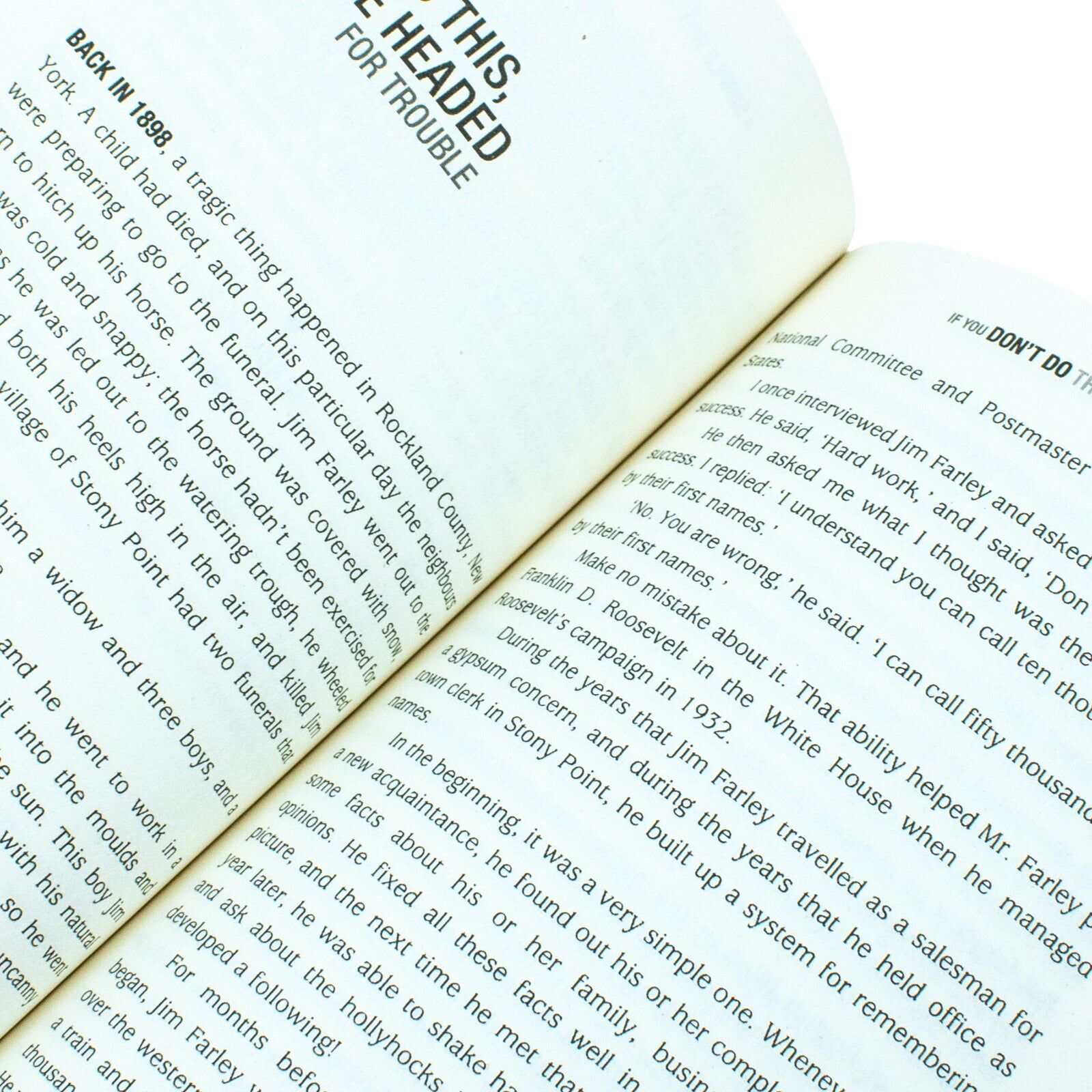
Various Publishers The Diary of a CEO, That Will Never Work & Fierce Conversations 3 Book Paperback Set - Business, Leadership & Communication Skills CollectionThis three-book paperback set brings together some of the sharpest voices in modern business thinking. The set includes The Diary of a CEO, That Will Never Work, and Fierce Conversations. Written by Steven Bartlett, Marc Randolph, and Susan Scott, these books offer timeless lessons from entrepreneurship and thousands of podcast conversations, the extraordinary true story of building Netflix from scratch, and the art of honest, high-impact conversation. Together they form a practical toolkit for anyone building a career, a company, or simply better relationships through clearer communication.29,99 £*Shipping: 2,99 £Secure redirect to the provider
-
Rupa Publications Lead With Words, Win With Action by Dale Carnegie - Paperback Business & Leadership Self-Help Book - Practical Guide to Influence, CommunicationLead With Words, Win With Action by Dale Carnegie is a practical guide to communicating with confidence and leading with impact. This paperback book distils the enduring principles of Dale Carnegie's philosophy of influence into a modern guide for anyone who wants to build trust, motivate others, and convert conversation into real results. It blends timeless wisdom with actionable strategies for the modern workplace. The book explores how the right combination of language, listening, and follow-through can transform everyday interactions into lasting influence. Chapters cover practical topics such as how to open a conversation, disagree without creating an enemy, and more. Published by Rupa Publications, this book is a concise and energising read for anyone looking to improve their communication skills and leadership abilities.2,99 £*Shipping: 2,99 £Secure redirect to the provider


-
What is the difference between Buddhism and Zen Buddhism?
Buddhism is a broader religion and philosophy that encompasses a variety of traditions and practices, while Zen Buddhism is a specific school or branch of Mahayana Buddhism that emphasizes meditation and direct experience of enlightenment. Zen Buddhism places a strong emphasis on the practice of meditation (zazen) as a means to achieve enlightenment, while traditional Buddhism incorporates a wider range of practices such as chanting, rituals, and study of Buddhist scriptures. Additionally, Zen Buddhism often focuses on the teachings of specific Zen masters and the importance of the teacher-student relationship in transmitting wisdom and insight. **
-
Is Buddhism illogical?
Buddhism is not inherently illogical. It is a complex and diverse belief system that encompasses a wide range of philosophical and ethical teachings. While some aspects of Buddhist doctrine may seem counterintuitive or difficult to understand from a Western perspective, they are based on a different cultural and philosophical framework. Many Buddhist teachings emphasize the importance of critical thinking and personal experience, and encourage followers to question and explore their beliefs. Ultimately, whether Buddhism is considered logical or not may depend on one's own perspective and understanding of its teachings. **
-
What is the difference between Zen Buddhism and regular Buddhism?
The main difference between Zen Buddhism and regular Buddhism lies in their approach to meditation and enlightenment. Zen Buddhism, which originated in China and later developed in Japan, emphasizes the practice of meditation (zazen) as the primary means to attain enlightenment. It focuses on direct experience and intuitive understanding, often through the guidance of a teacher. Regular Buddhism, on the other hand, encompasses a variety of traditions and practices, with meditation being just one of them. It places more emphasis on the study of scriptures, ethical conduct, and the development of wisdom and compassion. While both Zen Buddhism and regular Buddhism share the same core teachings of the Four Noble Truths and the Eightfold Path, their methods and emphasis on practice differ. **
-
Can you give me information about Buddhism?
Buddhism is a major world religion that originated in ancient India and is based on the teachings of Siddhartha Gautama, who became known as the Buddha, or "enlightened one." The central teachings of Buddhism revolve around the Four Noble Truths, which address the nature of suffering and the path to liberation from it. Buddhism emphasizes the practice of meditation, ethical conduct, and the cultivation of wisdom and compassion. There are various traditions and schools within Buddhism, including Theravada, Mahayana, and Vajrayana, each with its own unique practices and beliefs. Buddhism has spread to many parts of the world and has had a significant influence on art, culture, and philosophy. **
What does Buddhism teach?
Buddhism teaches the Four Noble Truths, which are the truths of suffering, the cause of suffering, the end of suffering, and the path to the end of suffering. It also emphasizes the importance of mindfulness, compassion, and non-attachment. Buddhism teaches that all beings are interconnected and that the ultimate goal is to achieve enlightenment and liberation from the cycle of birth and death (samsara). **
What is Zen Buddhism?
Zen Buddhism is a school of Mahayana Buddhism that originated in China during the Tang dynasty and later spread to Japan. It emphasizes the practice of meditation (zazen) and the direct experience of enlightenment, or awakening. Zen teachings often focus on the concept of emptiness, impermanence, and the importance of living in the present moment. It is known for its minimalist approach, simplicity, and the use of paradoxical statements (koans) to provoke insight and break through conceptual thinking. **
Top-Angebote
Products related to Buddhism:
-
Watkins Publishing Zen and the Art of Dealing with Difficult People by Mark Westmoquette - Paperback - Mindfulness & Zen Buddhism Guide for Adults - UK EditionZen and the Art of Dealing with Difficult People is a thoughtful, practical guide for anyone who has ever felt wound up, drained, or triggered by another person. Drawing on Zen Buddhism and mindfulness practice, astrophysicist-turned-meditation-teacher Mark Westmoquette shows readers how to recognise recurring patterns in their reactions to "difficult" people and use these encounters as opportunities for genuine personal growth, rather than sources of ongoing frustration and pain. Every one of us has at least one "troublesome Buddha" in our lives—a colleague, relative, friend, or stranger whose behaviour seems to press all our buttons. This book argues that these people are not simply obstacles to be endured, but mirrors that reveal our own unexamined habits, fears, and conditioning. Using accessible explanations of Zen philosophy alongside structured mindful practice, Westmoquette provides a roadmap for navigating challenging interactions with composure. Published by Watkins Publishing, this paperback edition is designed for adult readers seeking a grounded approach to interpersonal dynamics.3,99 £*Shipping: 2,99 £Secure redirect to the provider
-
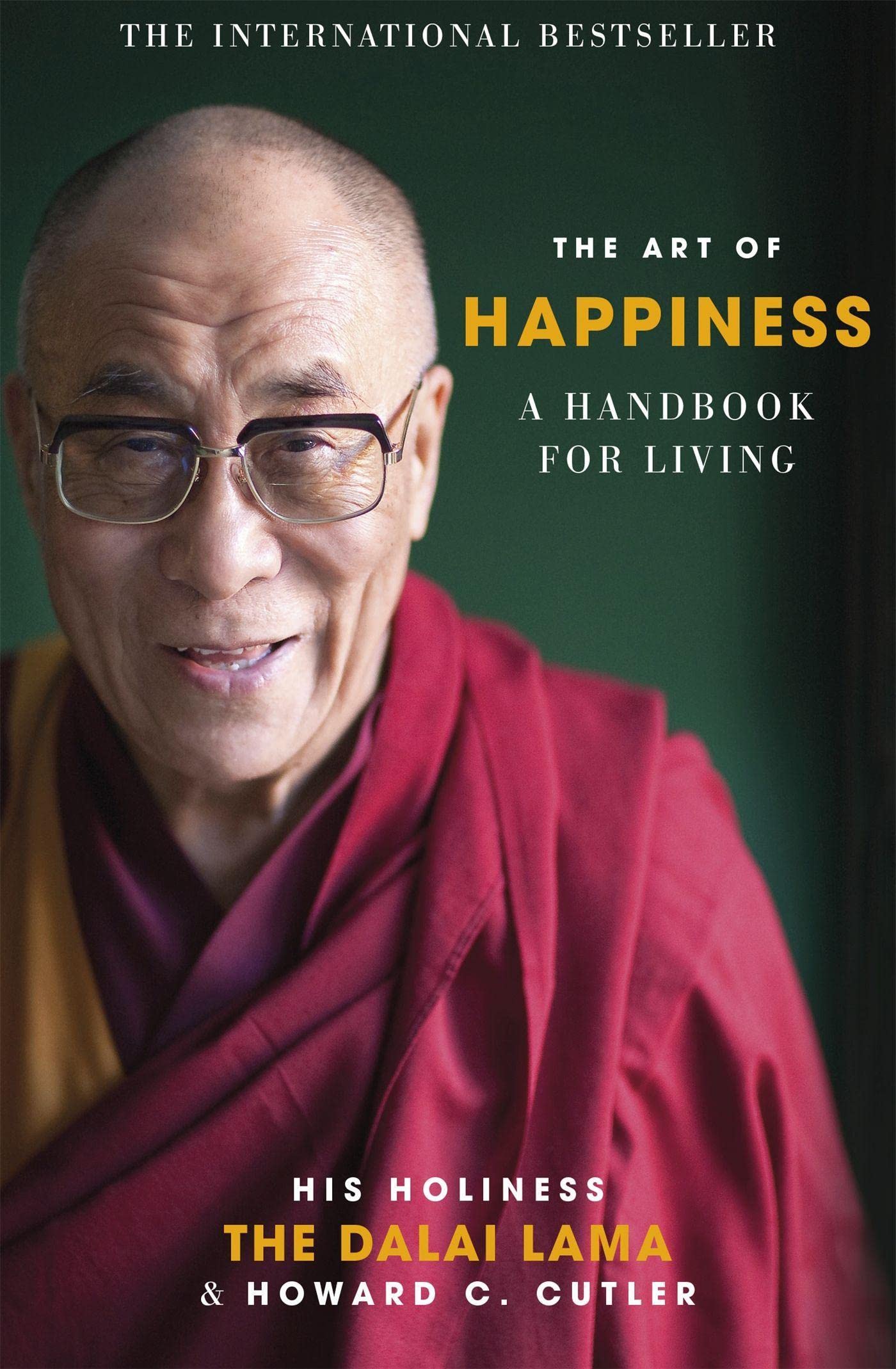
Hodder & Stoughton The Art of Happiness: A Handbook for Living by The Dalai Lama & Howard C. Cutler - Paperback Self-Help Classic on Buddhism & WellbeingA handbook for living, 'The Art of Happiness' pairs the spiritual insight of the Dalai Lama with the clinical expertise of Dr Howard C. Cutler. This practical guide explores how lasting contentment can be cultivated in everyday life, blending Tibetan Buddhist philosophy with Western psychology. The book is based on conversations between the Dalai Lama and Dr Cutler, recorded over several years, and offers a unique perspective on anxiety, loneliness, anger, loss, and the pursuit of wealth. Written with warmth, humour, and practicality, this influential work remains a valuable resource for those seeking calm and inner peace.9,99 £*Shipping: 2,99 £Secure redirect to the provider
-
MACMILLAN Kim Scott Collection 2 Books Set Radical Respect & Radical Candor – Leadership, Communication & Workplace Culture GuidesThe Kim Scott Collection – 2 Books Set brings together two transformative leadership bestsellers: Radical Respect and Radical Candor. Written by acclaimed workplace expert Kim Scott, these books offer practical, honest, and empowering guidance for building stronger teams, better communication, and healthier workplace cultures. In Radical Candor, Scott introduces her now-famous framework:Care Personally + Challenge Directly.Learn how to deliver feedback effectively, build trust, and lead with clarity without becoming overly harsh or avoiding difficult conversations. In Radical Respect, Scott expands on inclusion, fairness, accountability and anti-bullying frameworks—showing readers how to build workplaces rooted in dignity, psychological safety, and genuine respect. Together, these books provide a complete roadmap for leaders, managers, HR teams and anyone who wants to communicate better, lead with courage, and create workplaces where people thrive.6,99 £*Shipping: 2,99 £Secure redirect to the provider
-
Various Publishers How to Talk to Anyone, Next Conversation & Psychology of Management - 3 Book Paperback Set - Communication, Leadership & Management PsychologyThis 3-book collection set brings together three practical, people-focused reads for anyone who wants to communicate better and lead more effectively. Leil Lowndes' classic 'How to Talk to Anyone' pairs with Jefferson Fisher's 'Next Conversation' and a foundational 'Psychology of Management' title to cover everyday conversation, conflict resolution, and workplace psychology in one bundle. Whether you are prepping for interviews, managing a team, or simply want to feel more confident in social situations, this paperback set offers accessible, actionable guidance you can start using immediately. The set includes 'How to Talk to Anyone' by Leil Lowndes, 'Next Conversation' by Jefferson Fisher, and 'Psychology of Management'.20,99 £*Shipping: 2,99 £Secure redirect to the provider
-
Can someone explain the difference between Chan Buddhism and Buddhism to me?
Chan Buddhism, also known as Zen Buddhism, is a school of Mahayana Buddhism that emphasizes meditation and direct experience of enlightenment. It originated in China and later spread to Japan, where it is known as Zen. Chan Buddhism places a strong emphasis on the use of meditation to achieve enlightenment and often incorporates elements of Taoism and Confucianism. On the other hand, Buddhism refers to the broader religion and philosophy that encompasses various schools and traditions, including Theravada, Mahayana, and Vajrayana. While Chan Buddhism is a specific school within Mahayana Buddhism, Buddhism as a whole encompasses a wide range of beliefs, practices, and cultural expressions. The differences between Chan Buddhism and Buddhism lie in their specific teachings, practices, and historical development, but both share the fundamental goal of achieving enlightenment and liberation from suffering. **
-
What are the differences between Buddhism and Tibetan Buddhism?
Buddhism is a broader religion that encompasses various traditions and schools, while Tibetan Buddhism is a specific branch of Buddhism that developed in Tibet. Tibetan Buddhism incorporates elements of Tibetan culture, such as rituals, deities, and practices like chanting and visualization. It also places a strong emphasis on the teachings of Tibetan Buddhist masters and the importance of the Dalai Lama. Additionally, Tibetan Buddhism includes unique practices such as the use of prayer flags, prayer wheels, and mandalas. **
-
What is the difference between Buddhism and Zen Buddhism?
Buddhism is a broader religion and philosophy that encompasses a variety of traditions and practices, while Zen Buddhism is a specific school or branch of Mahayana Buddhism that emphasizes meditation and direct experience of enlightenment. Zen Buddhism places a strong emphasis on the practice of meditation (zazen) as a means to achieve enlightenment, while traditional Buddhism incorporates a wider range of practices such as chanting, rituals, and study of Buddhist scriptures. Additionally, Zen Buddhism often focuses on the teachings of specific Zen masters and the importance of the teacher-student relationship in transmitting wisdom and insight. **
-
Is Buddhism illogical?
Buddhism is not inherently illogical. It is a complex and diverse belief system that encompasses a wide range of philosophical and ethical teachings. While some aspects of Buddhist doctrine may seem counterintuitive or difficult to understand from a Western perspective, they are based on a different cultural and philosophical framework. Many Buddhist teachings emphasize the importance of critical thinking and personal experience, and encourage followers to question and explore their beliefs. Ultimately, whether Buddhism is considered logical or not may depend on one's own perspective and understanding of its teachings. **
Similar search terms for Buddhism
-
Various Publishers The Diary of a CEO, That Will Never Work & Fierce Conversations 3 Book Paperback Set - Business, Leadership & Communication Skills CollectionThis three-book paperback set brings together some of the sharpest voices in modern business thinking. The set includes The Diary of a CEO, That Will Never Work, and Fierce Conversations. Written by Steven Bartlett, Marc Randolph, and Susan Scott, these books offer timeless lessons from entrepreneurship and thousands of podcast conversations, the extraordinary true story of building Netflix from scratch, and the art of honest, high-impact conversation. Together they form a practical toolkit for anyone building a career, a company, or simply better relationships through clearer communication.29,99 £*Shipping: 2,99 £Secure redirect to the provider
-
Rupa Publications Lead With Words, Win With Action by Dale Carnegie - Paperback Business & Leadership Self-Help Book - Practical Guide to Influence, CommunicationLead With Words, Win With Action by Dale Carnegie is a practical guide to communicating with confidence and leading with impact. This paperback book distils the enduring principles of Dale Carnegie's philosophy of influence into a modern guide for anyone who wants to build trust, motivate others, and convert conversation into real results. It blends timeless wisdom with actionable strategies for the modern workplace. The book explores how the right combination of language, listening, and follow-through can transform everyday interactions into lasting influence. Chapters cover practical topics such as how to open a conversation, disagree without creating an enemy, and more. Published by Rupa Publications, this book is a concise and energising read for anyone looking to improve their communication skills and leadership abilities.2,99 £*Shipping: 2,99 £Secure redirect to the provider
-
Wilco International LLP How to Win Friends and Influence People by Dale Carnegie Classic Self Help Book on Communication, Leadership, Confidence & Personal DevelopmentDiscover one of the world's best-known personal development books with How to Win Friends and Influence People by Dale Carnegie. First published in 1936, this enduring classic presents practical principles for communicating effectively, building positive relationships and working successfully with other people. Through memorable examples and straightforward advice, Carnegie explores how to make a positive impression, handle disagreements constructively, encourage cooperation and become a more effective communicator. The principles can be applied across everyday life, from personal relationships and social situations to business, management, sales, networking and leadership. Accessible and practical, How to Win Friends and Influence People remains popular with readers interested in improving their communication skills, confidence, interpersonal relationships and professional development. Key Features Classic personal development book by Dale Carnegie Practical principles for improving communication Explores relationships, leadership and interpersonal skills Useful for business, management, sales and networking Helps readers understand effective people skills Suitable for personal and professional development Excellent gift for entrepreneurs, managers and self-improvement readers9,99 £*Shipping: 2,99 £Secure redirect to the provider
-
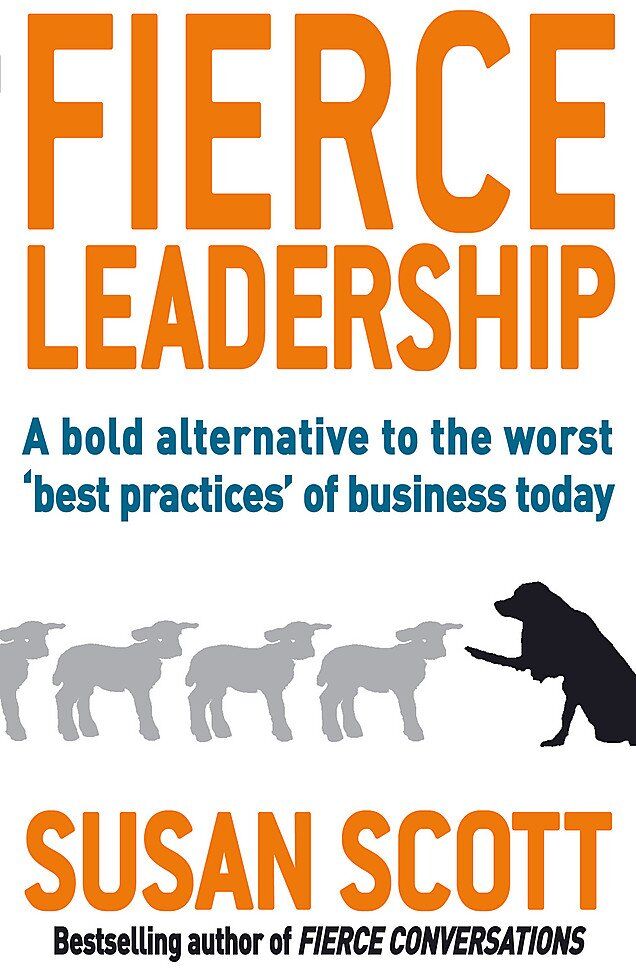
Fierce Leadership by Susan Scott - Piatkus Paperback - Business & Leadership - 336 PagesFierce Leadership by Susan Scott is a candid, research-driven challenge to the management mantras most businesses take for granted. Susan Scott, the bestselling author behind Fierce Conversations, argues that popular 'best practices' like hiring smart people or holding people accountable often quietly undermine performance, morale, and customer loyalty. Drawing on years of work inside Fortune 500 boardrooms, she offers a sharper, more honest alternative: leadership built on courageous, focused conversations rather than corporate slogans. This non-fiction paperback book explores how leadership functions inside high-performing organisations and how it fails inside ordinary ones. Susan Scott spent over a decade studying the inner workings of successful companies and presents her findings in this insightful book.2,99 £*Shipping: 2,99 £Secure redirect to the provider
-
What is the difference between Zen Buddhism and regular Buddhism?
The main difference between Zen Buddhism and regular Buddhism lies in their approach to meditation and enlightenment. Zen Buddhism, which originated in China and later developed in Japan, emphasizes the practice of meditation (zazen) as the primary means to attain enlightenment. It focuses on direct experience and intuitive understanding, often through the guidance of a teacher. Regular Buddhism, on the other hand, encompasses a variety of traditions and practices, with meditation being just one of them. It places more emphasis on the study of scriptures, ethical conduct, and the development of wisdom and compassion. While both Zen Buddhism and regular Buddhism share the same core teachings of the Four Noble Truths and the Eightfold Path, their methods and emphasis on practice differ. **
-
Can you give me information about Buddhism?
Buddhism is a major world religion that originated in ancient India and is based on the teachings of Siddhartha Gautama, who became known as the Buddha, or "enlightened one." The central teachings of Buddhism revolve around the Four Noble Truths, which address the nature of suffering and the path to liberation from it. Buddhism emphasizes the practice of meditation, ethical conduct, and the cultivation of wisdom and compassion. There are various traditions and schools within Buddhism, including Theravada, Mahayana, and Vajrayana, each with its own unique practices and beliefs. Buddhism has spread to many parts of the world and has had a significant influence on art, culture, and philosophy. **
-
What does Buddhism teach?
Buddhism teaches the Four Noble Truths, which are the truths of suffering, the cause of suffering, the end of suffering, and the path to the end of suffering. It also emphasizes the importance of mindfulness, compassion, and non-attachment. Buddhism teaches that all beings are interconnected and that the ultimate goal is to achieve enlightenment and liberation from the cycle of birth and death (samsara). **
-
What is Zen Buddhism?
Zen Buddhism is a school of Mahayana Buddhism that originated in China during the Tang dynasty and later spread to Japan. It emphasizes the practice of meditation (zazen) and the direct experience of enlightenment, or awakening. Zen teachings often focus on the concept of emptiness, impermanence, and the importance of living in the present moment. It is known for its minimalist approach, simplicity, and the use of paradoxical statements (koans) to provoke insight and break through conceptual thinking. **
* All prices are inclusive of VAT and, if applicable, plus shipping costs. The offer information is based on the details provided by the respective shop and is updated through automated processes. Real-time updates do not occur, so deviations can occur in individual cases. ** Note: Parts of this content were created by AI.