Buy team.me.uk ?
We are moving the project
team.me.uk .
Are you interested in purchasing the domain
team.me.uk ?
domain@kv-gmbh.de · 0541-91531010
Buy team.me.uk ?
How was Hindenburg convinced?
Hindenburg was convinced to appoint Hitler as Chancellor of Germany through a combination of political maneuvering and pressure from influential figures. Hitler and the Nazi Party had gained significant support in the Reichstag, and Hindenburg was persuaded by his advisors and other political leaders that appointing Hitler as Chancellor would help stabilize the government and address the economic and political challenges facing the country. Additionally, Hindenburg was assured that he could control Hitler and that the appointment would ultimately serve the interests of the conservative elite. **
Why was Hindenburg a puppet?
Hindenburg was considered a puppet because he was manipulated and controlled by the Nazi party, particularly by Adolf Hitler. Despite initially being skeptical of Hitler, Hindenburg eventually appointed him as Chancellor in 1933, allowing the Nazis to gain power and influence. Hindenburg's advanced age and declining health also made him more susceptible to manipulation, and he relied heavily on his advisors and the Nazi party for guidance. Ultimately, Hindenburg's actions and decisions were heavily influenced by the Nazi regime, leading to his characterization as a puppet of Hitler and the Nazi party. **


Similar search terms for Hindenburg
Top-Angebote
Products related to Hindenburg:
-
Various Publishers The Diary of a CEO, That Will Never Work & Fierce Conversations 3 Book Paperback Set - Business, Leadership & Communication Skills CollectionThis three-book paperback set brings together some of the sharpest voices in modern business thinking. The set includes The Diary of a CEO, That Will Never Work, and Fierce Conversations. Written by Steven Bartlett, Marc Randolph, and Susan Scott, these books offer timeless lessons from entrepreneurship and thousands of podcast conversations, the extraordinary true story of building Netflix from scratch, and the art of honest, high-impact conversation. Together they form a practical toolkit for anyone building a career, a company, or simply better relationships through clearer communication.29,99 £*Shipping: 2,99 £Secure redirect to the provider
-
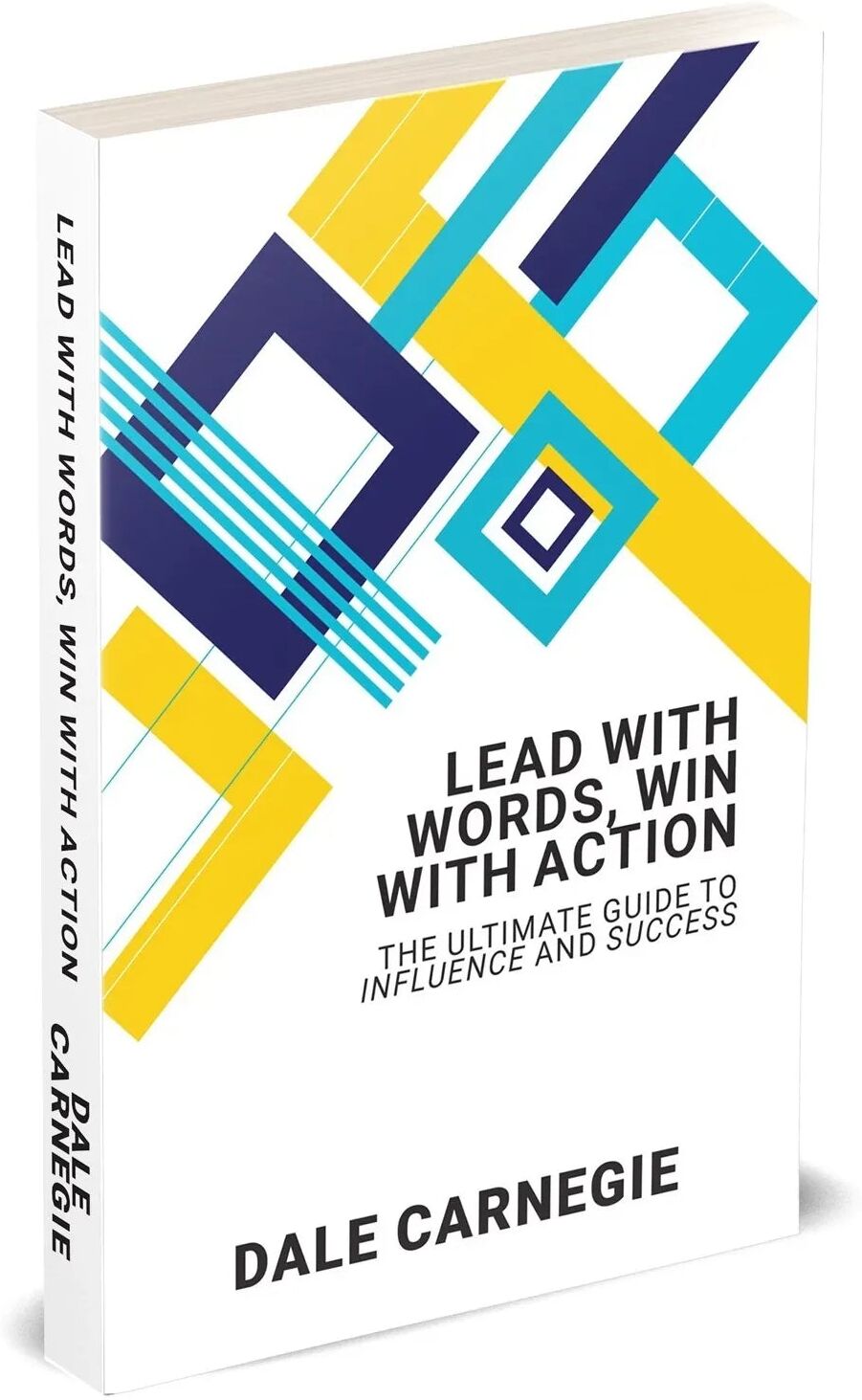
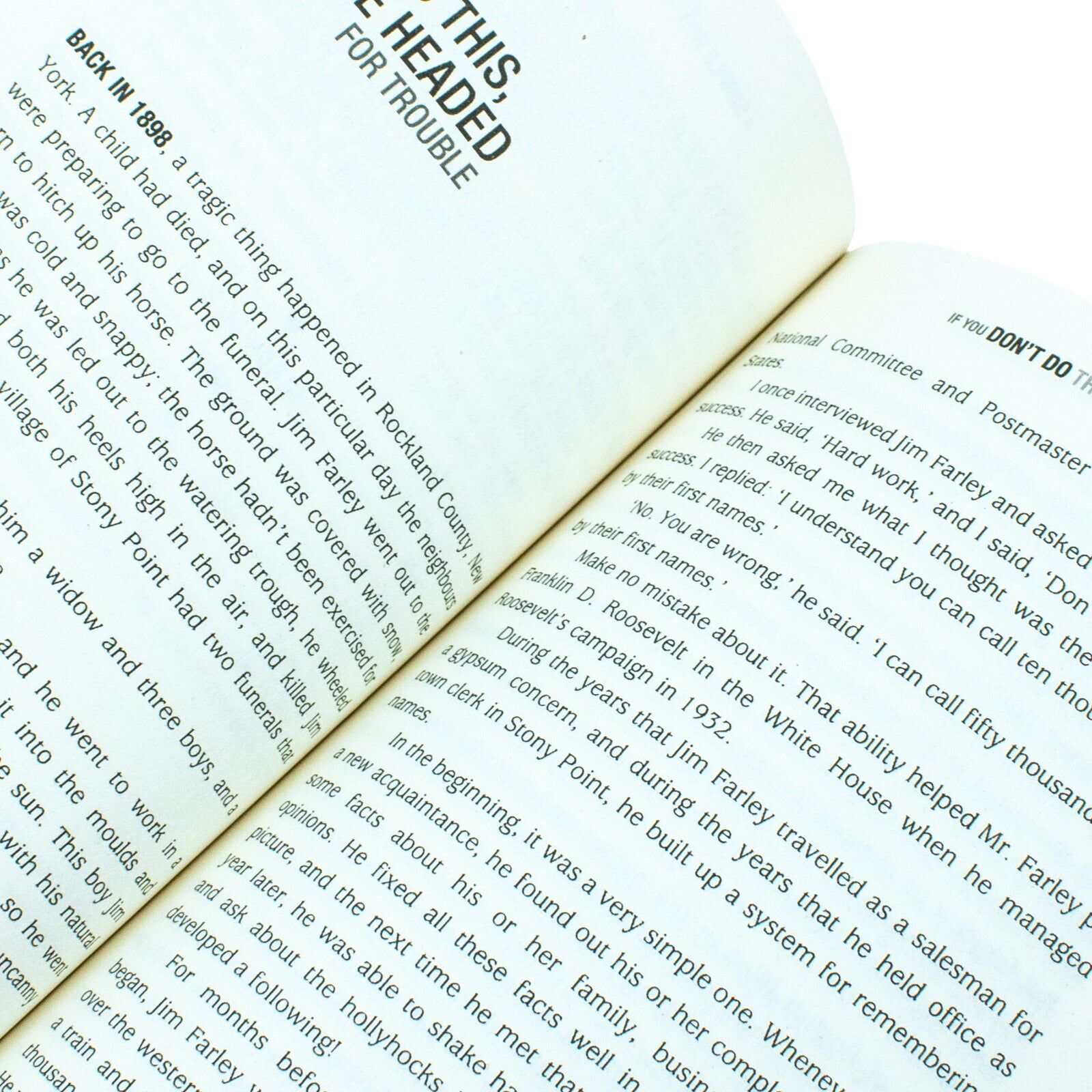
Rupa Publications Lead With Words, Win With Action by Dale Carnegie - Paperback Business & Leadership Self-Help Book - Practical Guide to Influence, CommunicationLead With Words, Win With Action by Dale Carnegie is a practical guide to communicating with confidence and leading with impact. This paperback book distils the enduring principles of Dale Carnegie's philosophy of influence into a modern guide for anyone who wants to build trust, motivate others, and convert conversation into real results. It blends timeless wisdom with actionable strategies for the modern workplace. The book explores how the right combination of language, listening, and follow-through can transform everyday interactions into lasting influence. Chapters cover practical topics such as how to open a conversation, disagree without creating an enemy, and more. Published by Rupa Publications, this book is a concise and energising read for anyone looking to improve their communication skills and leadership abilities.2,99 £*Shipping: 2,99 £Secure redirect to the provider
-
Wilco International LLP How to Win Friends and Influence People by Dale Carnegie Classic Self Help Book on Communication, Leadership, Confidence & Personal DevelopmentDiscover one of the world's best-known personal development books with How to Win Friends and Influence People by Dale Carnegie. First published in 1936, this enduring classic presents practical principles for communicating effectively, building positive relationships and working successfully with other people. Through memorable examples and straightforward advice, Carnegie explores how to make a positive impression, handle disagreements constructively, encourage cooperation and become a more effective communicator. The principles can be applied across everyday life, from personal relationships and social situations to business, management, sales, networking and leadership. Accessible and practical, How to Win Friends and Influence People remains popular with readers interested in improving their communication skills, confidence, interpersonal relationships and professional development. Key Features Classic personal development book by Dale Carnegie Practical principles for improving communication Explores relationships, leadership and interpersonal skills Useful for business, management, sales and networking Helps readers understand effective people skills Suitable for personal and professional development Excellent gift for entrepreneurs, managers and self-improvement readers9,99 £*Shipping: 2,99 £Secure redirect to the provider
-
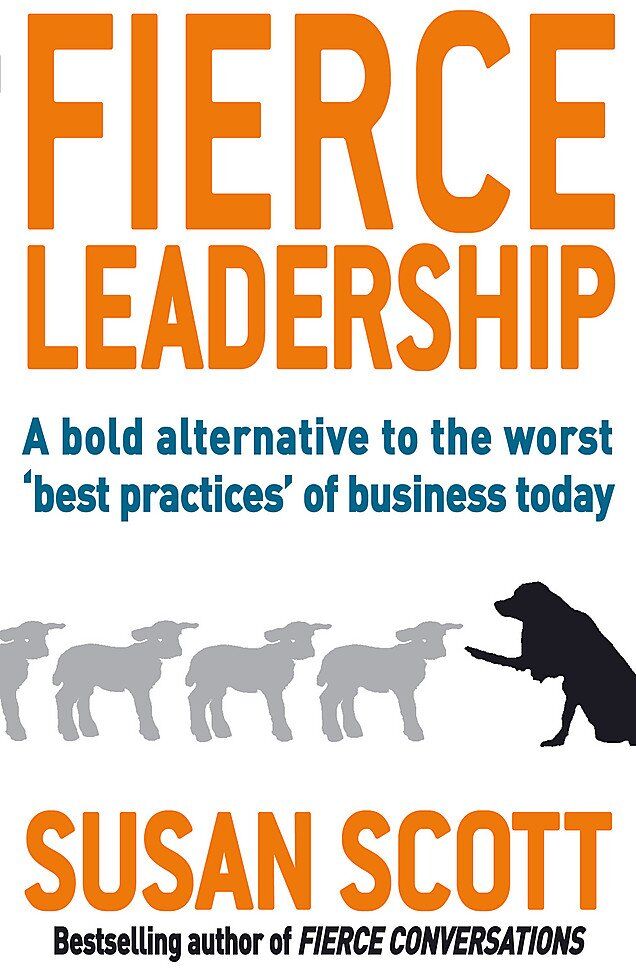
Fierce Leadership by Susan Scott - Piatkus Paperback - Business & Leadership - 336 PagesFierce Leadership by Susan Scott is a candid, research-driven challenge to the management mantras most businesses take for granted. Susan Scott, the bestselling author behind Fierce Conversations, argues that popular 'best practices' like hiring smart people or holding people accountable often quietly undermine performance, morale, and customer loyalty. Drawing on years of work inside Fortune 500 boardrooms, she offers a sharper, more honest alternative: leadership built on courageous, focused conversations rather than corporate slogans. This non-fiction paperback book explores how leadership functions inside high-performing organisations and how it fails inside ordinary ones. Susan Scott spent over a decade studying the inner workings of successful companies and presents her findings in this insightful book.2,99 £*Shipping: 2,99 £Secure redirect to the provider

-
Why did the Hindenburg burn?
The Hindenburg burned due to a combination of factors, including the highly flammable hydrogen gas used to inflate the airship, the outer covering of the airship which was made of a material that could easily catch fire, and the presence of static electricity which ignited the hydrogen. Additionally, the airship was attempting to land in unfavorable weather conditions, which may have contributed to the disaster. The exact cause of the fire has been the subject of much debate and investigation, but these factors are believed to have played a significant role in the Hindenburg's fiery demise. **
-
Why didn't Hindenburg dismiss Hitler?
Hindenburg didn't dismiss Hitler for several reasons. Firstly, Hitler had gained significant popularity and support among the German people, making him a powerful political figure that Hindenburg couldn't easily remove. Additionally, Hindenburg and his advisors believed they could control Hitler and use him to further their own political goals. Furthermore, Hindenburg was also influenced by conservative politicians and military leaders who saw Hitler as a potential ally in their efforts to combat the growing influence of the left-wing political parties. Ultimately, Hindenburg's decision not to dismiss Hitler allowed the Nazi party to gain more power, leading to the eventual appointment of Hitler as Chancellor in 1933. **
-
What is the Hindenburg 3?
The Hindenburg 3 is a proposed airship design that aims to revive the concept of using airships for commercial transportation. It is named after the original Hindenburg airship, which famously caught fire and crashed in 1937. The Hindenburg 3 is being developed by the company Hybrid Air Vehicles and is intended to be a modern, safer, and more environmentally friendly alternative to traditional aircraft for carrying cargo and passengers. The airship is designed to be capable of carrying heavy loads over long distances and is powered by a combination of helium and electric propulsion. **
-
Why did Hindenburg appoint Hitler as Chancellor and discuss the role of Paul von Hindenburg?
Hindenburg appointed Hitler as Chancellor in 1933 because he believed that he could control Hitler and use him to stabilize the political situation in Germany. Hindenburg, a conservative military leader, thought that by appointing Hitler, he could harness the popular support that the Nazi Party had gained and use it to his advantage. However, Hindenburg underestimated Hitler's ambition and the Nazi Party's true intentions, leading to the eventual consolidation of power by the Nazis and the establishment of a totalitarian regime. Paul von Hindenburg was the President of Germany from 1925 to 1934 and played a significant role in the appointment of Hitler as Chancellor. He was a key figure in the conservative establishment and his decision to appoint Hitler had far-reaching consequences for Germany and the world. **


What happened during the Hindenburg explosion?
On May 6, 1937, the German airship Hindenburg caught fire and was destroyed while attempting to land in Lakehurst, New Jersey. The disaster resulted in the deaths of 36 people, including 13 passengers and 22 crew members, as well as one worker on the ground. The cause of the fire is still debated, but it is believed to have been a combination of factors including the highly flammable hydrogen gas used for buoyancy, a sudden weather change, and a spark from static electricity. The Hindenburg disaster marked the end of the era of passenger-carrying airships. **
Why did Hindenburg dethrone the Kaiser?
Hindenburg, along with other influential figures in the German government and military, dethroned the Kaiser because they believed that his leadership was no longer effective in the face of the challenges Germany was facing at the end of World War I. The Kaiser's autocratic rule and his handling of the war effort had led to widespread discontent and unrest among the German population. Hindenburg and others saw the need for a change in leadership in order to negotiate a peace settlement and stabilize the country. Additionally, the Kaiser's abdication was seen as a way to appease the Allies and potentially secure more favorable peace terms for Germany. **
Top-Angebote
Products related to Hindenburg:
-
MACMILLAN Kim Scott Collection 2 Books Set Radical Respect & Radical Candor – Leadership, Communication & Workplace Culture GuidesThe Kim Scott Collection – 2 Books Set brings together two transformative leadership bestsellers: Radical Respect and Radical Candor. Written by acclaimed workplace expert Kim Scott, these books offer practical, honest, and empowering guidance for building stronger teams, better communication, and healthier workplace cultures. In Radical Candor, Scott introduces her now-famous framework:Care Personally + Challenge Directly.Learn how to deliver feedback effectively, build trust, and lead with clarity without becoming overly harsh or avoiding difficult conversations. In Radical Respect, Scott expands on inclusion, fairness, accountability and anti-bullying frameworks—showing readers how to build workplaces rooted in dignity, psychological safety, and genuine respect. Together, these books provide a complete roadmap for leaders, managers, HR teams and anyone who wants to communicate better, lead with courage, and create workplaces where people thrive.6,99 £*Shipping: 2,99 £Secure redirect to the provider
-
Various Publishers How to Talk to Anyone, Next Conversation & Psychology of Management - 3 Book Paperback Set - Communication, Leadership & Management PsychologyThis 3-book collection set brings together three practical, people-focused reads for anyone who wants to communicate better and lead more effectively. Leil Lowndes' classic 'How to Talk to Anyone' pairs with Jefferson Fisher's 'Next Conversation' and a foundational 'Psychology of Management' title to cover everyday conversation, conflict resolution, and workplace psychology in one bundle. Whether you are prepping for interviews, managing a team, or simply want to feel more confident in social situations, this paperback set offers accessible, actionable guidance you can start using immediately. The set includes 'How to Talk to Anyone' by Leil Lowndes, 'Next Conversation' by Jefferson Fisher, and 'Psychology of Management'.20,99 £*Shipping: 2,99 £Secure redirect to the provider
-
Various Publishers The Diary of a CEO, That Will Never Work & Fierce Conversations 3 Book Paperback Set - Business, Leadership & Communication Skills CollectionThis three-book paperback set brings together some of the sharpest voices in modern business thinking. The set includes The Diary of a CEO, That Will Never Work, and Fierce Conversations. Written by Steven Bartlett, Marc Randolph, and Susan Scott, these books offer timeless lessons from entrepreneurship and thousands of podcast conversations, the extraordinary true story of building Netflix from scratch, and the art of honest, high-impact conversation. Together they form a practical toolkit for anyone building a career, a company, or simply better relationships through clearer communication.29,99 £*Shipping: 2,99 £Secure redirect to the provider
-
Rupa Publications Lead With Words, Win With Action by Dale Carnegie - Paperback Business & Leadership Self-Help Book - Practical Guide to Influence, CommunicationLead With Words, Win With Action by Dale Carnegie is a practical guide to communicating with confidence and leading with impact. This paperback book distils the enduring principles of Dale Carnegie's philosophy of influence into a modern guide for anyone who wants to build trust, motivate others, and convert conversation into real results. It blends timeless wisdom with actionable strategies for the modern workplace. The book explores how the right combination of language, listening, and follow-through can transform everyday interactions into lasting influence. Chapters cover practical topics such as how to open a conversation, disagree without creating an enemy, and more. Published by Rupa Publications, this book is a concise and energising read for anyone looking to improve their communication skills and leadership abilities.2,99 £*Shipping: 2,99 £Secure redirect to the provider
-
How was Hindenburg convinced?
Hindenburg was convinced to appoint Hitler as Chancellor of Germany through a combination of political maneuvering and pressure from influential figures. Hitler and the Nazi Party had gained significant support in the Reichstag, and Hindenburg was persuaded by his advisors and other political leaders that appointing Hitler as Chancellor would help stabilize the government and address the economic and political challenges facing the country. Additionally, Hindenburg was assured that he could control Hitler and that the appointment would ultimately serve the interests of the conservative elite. **
-
Why was Hindenburg a puppet?
Hindenburg was considered a puppet because he was manipulated and controlled by the Nazi party, particularly by Adolf Hitler. Despite initially being skeptical of Hitler, Hindenburg eventually appointed him as Chancellor in 1933, allowing the Nazis to gain power and influence. Hindenburg's advanced age and declining health also made him more susceptible to manipulation, and he relied heavily on his advisors and the Nazi party for guidance. Ultimately, Hindenburg's actions and decisions were heavily influenced by the Nazi regime, leading to his characterization as a puppet of Hitler and the Nazi party. **
-
Why did the Hindenburg burn?
The Hindenburg burned due to a combination of factors, including the highly flammable hydrogen gas used to inflate the airship, the outer covering of the airship which was made of a material that could easily catch fire, and the presence of static electricity which ignited the hydrogen. Additionally, the airship was attempting to land in unfavorable weather conditions, which may have contributed to the disaster. The exact cause of the fire has been the subject of much debate and investigation, but these factors are believed to have played a significant role in the Hindenburg's fiery demise. **
-
Why didn't Hindenburg dismiss Hitler?
Hindenburg didn't dismiss Hitler for several reasons. Firstly, Hitler had gained significant popularity and support among the German people, making him a powerful political figure that Hindenburg couldn't easily remove. Additionally, Hindenburg and his advisors believed they could control Hitler and use him to further their own political goals. Furthermore, Hindenburg was also influenced by conservative politicians and military leaders who saw Hitler as a potential ally in their efforts to combat the growing influence of the left-wing political parties. Ultimately, Hindenburg's decision not to dismiss Hitler allowed the Nazi party to gain more power, leading to the eventual appointment of Hitler as Chancellor in 1933. **
Similar search terms for Hindenburg
-
Wilco International LLP How to Win Friends and Influence People by Dale Carnegie Classic Self Help Book on Communication, Leadership, Confidence & Personal DevelopmentDiscover one of the world's best-known personal development books with How to Win Friends and Influence People by Dale Carnegie. First published in 1936, this enduring classic presents practical principles for communicating effectively, building positive relationships and working successfully with other people. Through memorable examples and straightforward advice, Carnegie explores how to make a positive impression, handle disagreements constructively, encourage cooperation and become a more effective communicator. The principles can be applied across everyday life, from personal relationships and social situations to business, management, sales, networking and leadership. Accessible and practical, How to Win Friends and Influence People remains popular with readers interested in improving their communication skills, confidence, interpersonal relationships and professional development. Key Features Classic personal development book by Dale Carnegie Practical principles for improving communication Explores relationships, leadership and interpersonal skills Useful for business, management, sales and networking Helps readers understand effective people skills Suitable for personal and professional development Excellent gift for entrepreneurs, managers and self-improvement readers9,99 £*Shipping: 2,99 £Secure redirect to the provider
-
Fierce Leadership by Susan Scott - Piatkus Paperback - Business & Leadership - 336 PagesFierce Leadership by Susan Scott is a candid, research-driven challenge to the management mantras most businesses take for granted. Susan Scott, the bestselling author behind Fierce Conversations, argues that popular 'best practices' like hiring smart people or holding people accountable often quietly undermine performance, morale, and customer loyalty. Drawing on years of work inside Fortune 500 boardrooms, she offers a sharper, more honest alternative: leadership built on courageous, focused conversations rather than corporate slogans. This non-fiction paperback book explores how leadership functions inside high-performing organisations and how it fails inside ordinary ones. Susan Scott spent over a decade studying the inner workings of successful companies and presents her findings in this insightful book.2,99 £*Shipping: 2,99 £Secure redirect to the provider
-
Tisserand Aromatherapy Tisserand The Little Box of Motivation 3x10mlRevitalise and revive your mind with Tisserand's Little Box of Motivation, including 3 pulse point roller balls. Contents • Happy Vibes Roller Ball 10ml • Find Focus Roller Ball 10ml • Energy Boost Roller Ball 10ml Formulated with 100% natural pure essential oils, these roller balls can be applied at the temples, neck and wrists or apply behind the ears. Wake up and be ready for the day ahead with these mood-enhancing roller balls. Tisserand Happy Vibes Pulse Point Roller Ball is designed to provide stamina during tiring moments. Formulated with euphoric bergamot oil, energising grapefruit oil and uplifting lime oil. Finding focus certainly isn't always easy. Provide your body and mind with an instant burst of focus with the Tisserand Find Focus Pulse Point Roller Ball. The perfect blend, enriched in Peppermint, soothing Lavender and uplifting Lemon, this is an aromatherapy roller ball with drive! Tisserand Energy High Pulse Point Roller Ball is designed to ease tension in the head, providing a cool release. Formulated with cooling white mint oil, restorative lavender oil and reviving lemon oil. Ingredients Happy Vibes Roller Ball: Caprylic/Capric Triglyceride, Amyris Balsamifera (Amyris) Bark Oil, Citrus Aurantium Bergamia (Bergamot) Peel Oil, Leptospermum Petersonii (Lemon Tea Tree) Oil, Citrus Aurantium Amara (Petitgrain) Leaf/Twig Oil, Mentha Citrata Herb Oil, Myristica Fragrans (Nutmeg) Kernel Oil, Linalool*, Limonene*, Geraniol*, Citral*, Farnesol*. Find Focus Roller Ball: Caprylic/Capric Triglyceride, Rosmarinus Officinalis (Rosemary) Leaf Oil, Citrus Paradisi (Grapefruit) Peel Oil, Cedrus Deodara (Cedarwood) Wood Oil, Coriandrum Sativum (Coriander) Seed Oil, Citrus Aurantium Amara (Petitgrain) Leaf/Twig Oil, Pelargonium Graveolens (Geranium) Oil, Jasminum Officinale (Jasmine) Flower Oil, Lavandula Angustifolia (Lavender) Oil, Tocopherol, Limonene*, Linalool*, Geraniol*, Citronellol*, Citral*, Benzyl Benzoate*, Benzyl Alcohol*, Eugenol*, Benzyl Salicylate*. Energy Boost Roller Ball: Caprylic/Capric Triglyceride, Citrus Aurantium Dulcis (Orange) Peel Oil, Citrus Aurantifolia (Lime) Peel Oil, Citrus Aurantium Bergamia (Bergamot) Peel Oil, Citrus Paradisi (Grapefruit) Peel Oil, Citrus Aurantium Amara (Petitgrain) Leaf/Twig Oil, Coriandrum Sativum (Coriander) Seed Oil, Cupressus Sempervirens (Cypress) Leaf Oil, Juniperus Communis (Juniper Berry) Fruit Oil, Limonene*, Linalool*, Citral*, Geraniol*. *Naturally occurring within essential oils10,59 £*Shipping: 2,95 £Secure redirect to the provider
-
What is the Hindenburg 3?
The Hindenburg 3 is a proposed airship design that aims to revive the concept of using airships for commercial transportation. It is named after the original Hindenburg airship, which famously caught fire and crashed in 1937. The Hindenburg 3 is being developed by the company Hybrid Air Vehicles and is intended to be a modern, safer, and more environmentally friendly alternative to traditional aircraft for carrying cargo and passengers. The airship is designed to be capable of carrying heavy loads over long distances and is powered by a combination of helium and electric propulsion. **
-
Why did Hindenburg appoint Hitler as Chancellor and discuss the role of Paul von Hindenburg?
Hindenburg appointed Hitler as Chancellor in 1933 because he believed that he could control Hitler and use him to stabilize the political situation in Germany. Hindenburg, a conservative military leader, thought that by appointing Hitler, he could harness the popular support that the Nazi Party had gained and use it to his advantage. However, Hindenburg underestimated Hitler's ambition and the Nazi Party's true intentions, leading to the eventual consolidation of power by the Nazis and the establishment of a totalitarian regime. Paul von Hindenburg was the President of Germany from 1925 to 1934 and played a significant role in the appointment of Hitler as Chancellor. He was a key figure in the conservative establishment and his decision to appoint Hitler had far-reaching consequences for Germany and the world. **
-
What happened during the Hindenburg explosion?
On May 6, 1937, the German airship Hindenburg caught fire and was destroyed while attempting to land in Lakehurst, New Jersey. The disaster resulted in the deaths of 36 people, including 13 passengers and 22 crew members, as well as one worker on the ground. The cause of the fire is still debated, but it is believed to have been a combination of factors including the highly flammable hydrogen gas used for buoyancy, a sudden weather change, and a spark from static electricity. The Hindenburg disaster marked the end of the era of passenger-carrying airships. **
-
Why did Hindenburg dethrone the Kaiser?
Hindenburg, along with other influential figures in the German government and military, dethroned the Kaiser because they believed that his leadership was no longer effective in the face of the challenges Germany was facing at the end of World War I. The Kaiser's autocratic rule and his handling of the war effort had led to widespread discontent and unrest among the German population. Hindenburg and others saw the need for a change in leadership in order to negotiate a peace settlement and stabilize the country. Additionally, the Kaiser's abdication was seen as a way to appease the Allies and potentially secure more favorable peace terms for Germany. **
* All prices are inclusive of VAT and, if applicable, plus shipping costs. The offer information is based on the details provided by the respective shop and is updated through automated processes. Real-time updates do not occur, so deviations can occur in individual cases. ** Note: Parts of this content were created by AI.