Buy team.me.uk ?
We are moving the project
team.me.uk .
Are you interested in purchasing the domain
team.me.uk ?
domain@kv-gmbh.de · 0541-91531010
Buy team.me.uk ?
What does piety mean?
Piety refers to a deep devotion and reverence for a higher power or religious beliefs. It involves a strong sense of duty and commitment to religious practices and moral principles. Piety can also encompass a respectful and humble attitude towards the divine, as well as a commitment to living a virtuous and ethical life in accordance with one's religious beliefs. **
What does piety and pietism mean?
Piety refers to a deep devotion and reverence for religious principles and practices. It involves a strong sense of religious duty and a commitment to living a moral and virtuous life. Pietism, on the other hand, is a specific movement within Christianity that emphasizes personal devotion and spiritual renewal. It often involves a focus on individual piety, heartfelt religious experiences, and a rejection of formalism and ritualistic practices. Both piety and pietism emphasize the importance of a personal and sincere relationship with one's faith. **


Similar search terms for Piety
Top-Angebote
Products related to Piety:
-
MACMILLAN Kim Scott Collection 2 Books Set Radical Respect & Radical Candor – Leadership, Communication & Workplace Culture GuidesThe Kim Scott Collection – 2 Books Set brings together two transformative leadership bestsellers: Radical Respect and Radical Candor. Written by acclaimed workplace expert Kim Scott, these books offer practical, honest, and empowering guidance for building stronger teams, better communication, and healthier workplace cultures. In Radical Candor, Scott introduces her now-famous framework:Care Personally + Challenge Directly.Learn how to deliver feedback effectively, build trust, and lead with clarity without becoming overly harsh or avoiding difficult conversations. In Radical Respect, Scott expands on inclusion, fairness, accountability and anti-bullying frameworks—showing readers how to build workplaces rooted in dignity, psychological safety, and genuine respect. Together, these books provide a complete roadmap for leaders, managers, HR teams and anyone who wants to communicate better, lead with courage, and create workplaces where people thrive.6,99 £*Shipping: 2,99 £Secure redirect to the provider
-
Various Publishers How to Talk to Anyone, Next Conversation & Psychology of Management - 3 Book Paperback Set - Communication, Leadership & Management PsychologyThis 3-book collection set brings together three practical, people-focused reads for anyone who wants to communicate better and lead more effectively. Leil Lowndes' classic 'How to Talk to Anyone' pairs with Jefferson Fisher's 'Next Conversation' and a foundational 'Psychology of Management' title to cover everyday conversation, conflict resolution, and workplace psychology in one bundle. Whether you are prepping for interviews, managing a team, or simply want to feel more confident in social situations, this paperback set offers accessible, actionable guidance you can start using immediately. The set includes 'How to Talk to Anyone' by Leil Lowndes, 'Next Conversation' by Jefferson Fisher, and 'Psychology of Management'.20,99 £*Shipping: 2,99 £Secure redirect to the provider
-
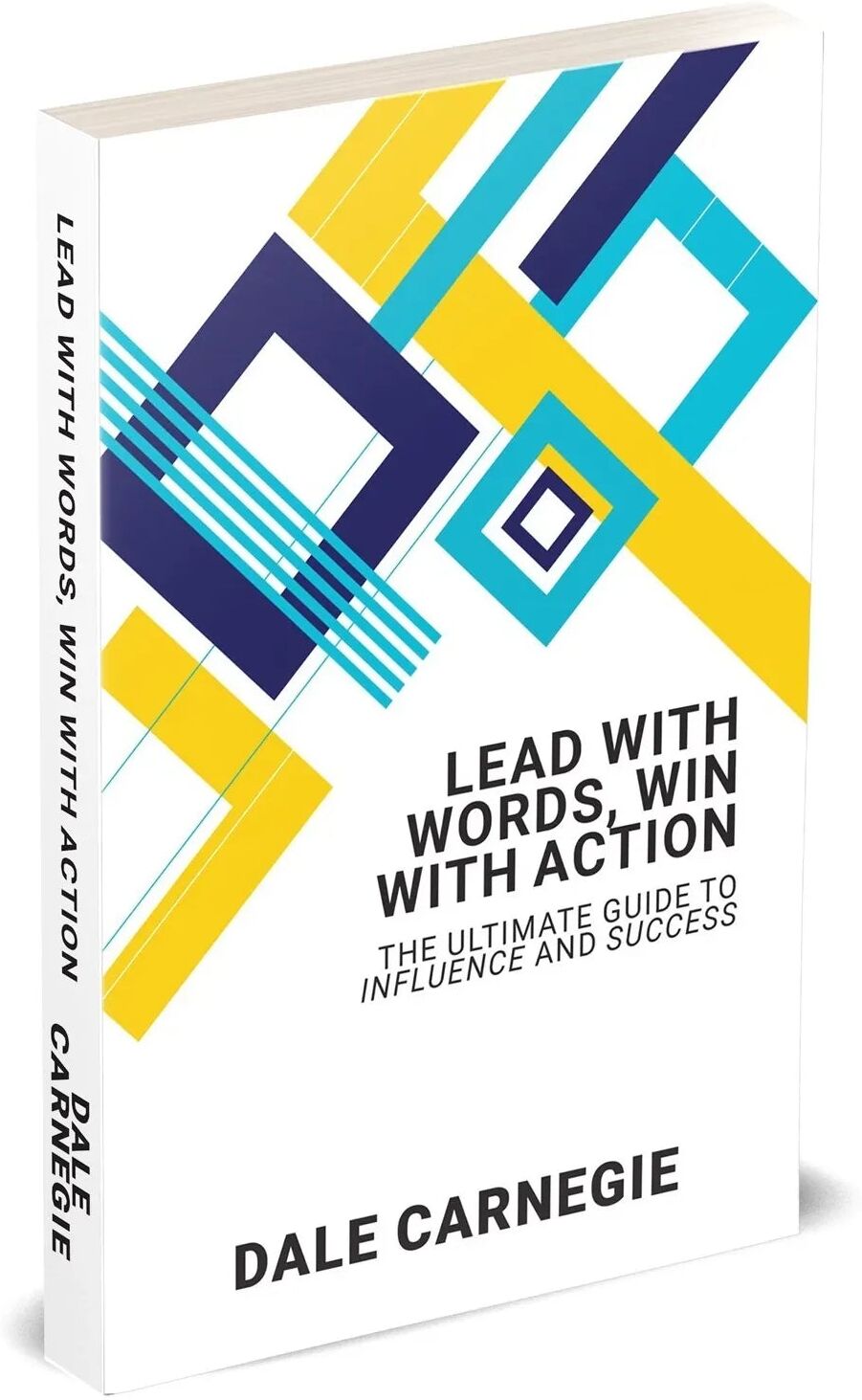
Rupa Publications Lead With Words, Win With Action by Dale Carnegie - Paperback Business & Leadership Self-Help Book - Practical Guide to Influence, CommunicationLead With Words, Win With Action by Dale Carnegie is a practical guide to communicating with confidence and leading with impact. This paperback book distils the enduring principles of Dale Carnegie's philosophy of influence into a modern guide for anyone who wants to build trust, motivate others, and convert conversation into real results. It blends timeless wisdom with actionable strategies for the modern workplace. The book explores how the right combination of language, listening, and follow-through can transform everyday interactions into lasting influence. Chapters cover practical topics such as how to open a conversation, disagree without creating an enemy, and more. Published by Rupa Publications, this book is a concise and energising read for anyone looking to improve their communication skills and leadership abilities.2,99 £*Shipping: 2,99 £Secure redirect to the provider
-
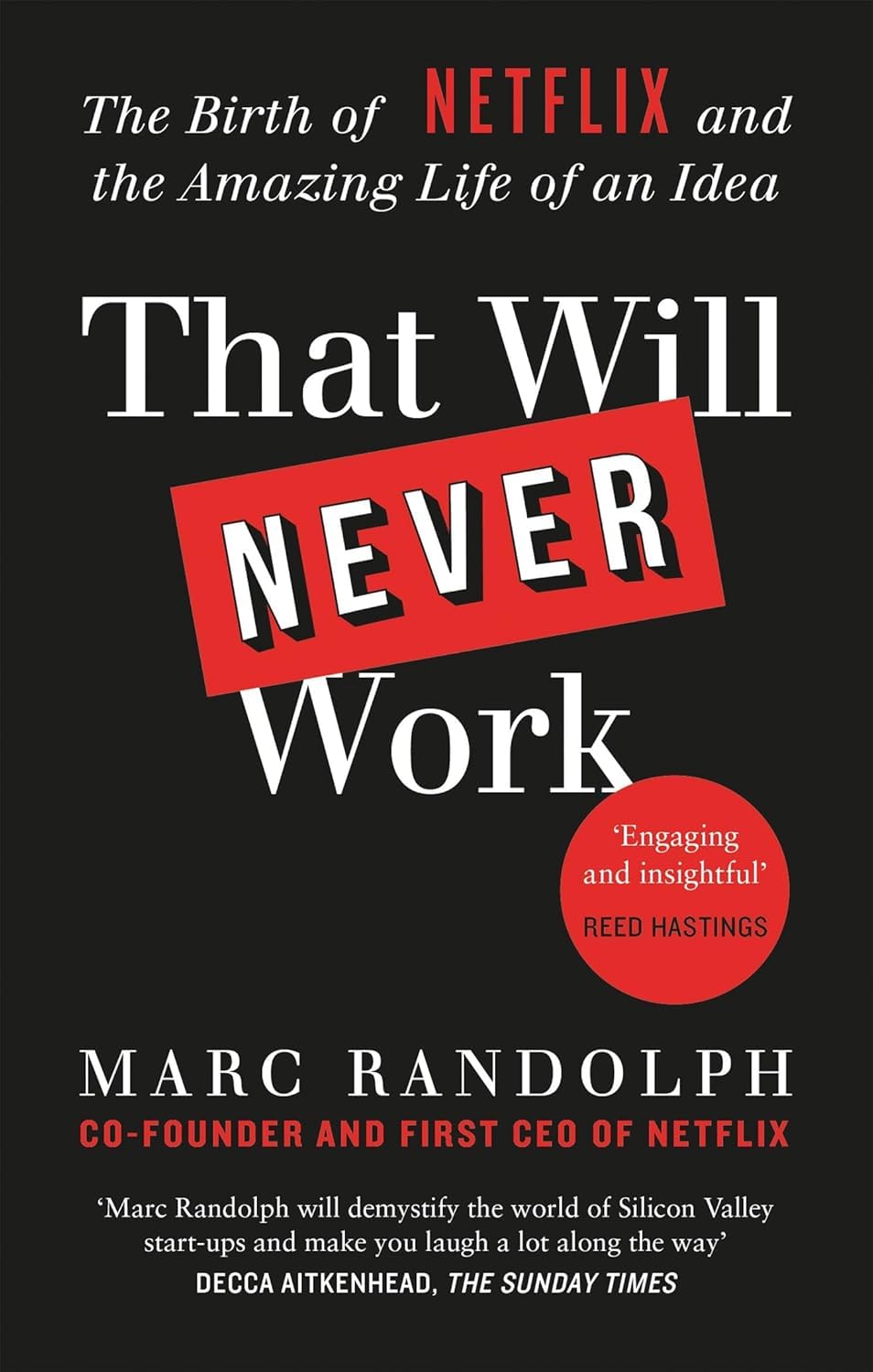
Various Publishers The Diary of a CEO, That Will Never Work & Fierce Conversations 3 Book Paperback Set - Business, Leadership & Communication Skills CollectionThis three-book paperback set brings together some of the sharpest voices in modern business thinking. The set includes The Diary of a CEO, That Will Never Work, and Fierce Conversations. Written by Steven Bartlett, Marc Randolph, and Susan Scott, these books offer timeless lessons from entrepreneurship and thousands of podcast conversations, the extraordinary true story of building Netflix from scratch, and the art of honest, high-impact conversation. Together they form a practical toolkit for anyone building a career, a company, or simply better relationships through clearer communication.29,99 £*Shipping: 2,99 £Secure redirect to the provider


-
Is piety and faithfulness the same thing?
Piety and faithfulness are related concepts but not exactly the same. Piety typically refers to devotion and reverence towards a higher power or religious beliefs, while faithfulness generally refers to loyalty and commitment in relationships or duties. While both involve a sense of dedication and steadfastness, piety is more focused on religious or spiritual aspects, whereas faithfulness can extend to various aspects of life beyond religion. **
-
Is piety and faith the same thing?
Piety and faith are related concepts but they are not the same thing. Faith refers to a strong belief in something, often in a religious or spiritual context. Piety, on the other hand, refers to the devotion and reverence one shows towards their faith or religious beliefs. While faith is the belief itself, piety is the expression of that belief through actions, rituals, and devotion. In this way, piety is a manifestation of one's faith. **
-
Can someone explain the differences between false and true piety to me in simpler terms?
False piety refers to the outward display of religious devotion or moral righteousness without genuine belief or sincerity. It involves performing religious rituals or acts of charity for the sake of appearances or personal gain. True piety, on the other hand, involves a sincere and deep-rooted faith or moral integrity that guides one's actions and decisions. It is characterized by genuine compassion, humility, and a commitment to living in accordance with one's beliefs. In simpler terms, false piety is like putting on a show of being religious or moral, while true piety is about genuinely living out one's faith or values. **
-
What is the difference between collaboration and cooperation?
Collaboration involves individuals or groups working together towards a common goal, often involving shared responsibilities, resources, and decision-making. It requires a higher level of engagement and interaction among participants. On the other hand, cooperation is more about individuals or groups working alongside each other, each contributing their efforts towards a shared objective without necessarily sharing the same level of involvement or decision-making. Cooperation may involve less direct interaction and coordination compared to collaboration. **


Is there a song that expresses unity and motivation?
Yes, the song "We Are the World" by USA for Africa is a perfect example of a song that expresses unity and motivation. The song was written to raise funds for famine relief in Africa and features a star-studded lineup of artists coming together to sing about the importance of unity and helping those in need. The lyrics convey a message of hope, love, and coming together as one to make a positive impact in the world, making it a powerful anthem for unity and motivation. **
How do I write a letter of motivation for communication studies?
When writing a letter of motivation for communication studies, it is important to highlight your passion for the field and your specific interest in the program or institution you are applying to. Start by introducing yourself and explaining why you are interested in pursuing a degree in communication studies. Then, discuss your relevant academic and professional experiences, as well as any specific skills or knowledge you possess that make you a strong candidate for the program. Finally, explain how the program will help you achieve your academic and career goals, and how you will contribute to the academic community. Be sure to tailor your letter to the specific requirements and focus of the program you are applying to. **
Top-Angebote
Products related to Piety:
-
MACMILLAN Kim Scott Collection 2 Books Set Radical Respect & Radical Candor – Leadership, Communication & Workplace Culture GuidesThe Kim Scott Collection – 2 Books Set brings together two transformative leadership bestsellers: Radical Respect and Radical Candor. Written by acclaimed workplace expert Kim Scott, these books offer practical, honest, and empowering guidance for building stronger teams, better communication, and healthier workplace cultures. In Radical Candor, Scott introduces her now-famous framework:Care Personally + Challenge Directly.Learn how to deliver feedback effectively, build trust, and lead with clarity without becoming overly harsh or avoiding difficult conversations. In Radical Respect, Scott expands on inclusion, fairness, accountability and anti-bullying frameworks—showing readers how to build workplaces rooted in dignity, psychological safety, and genuine respect. Together, these books provide a complete roadmap for leaders, managers, HR teams and anyone who wants to communicate better, lead with courage, and create workplaces where people thrive.6,99 £*Shipping: 2,99 £Secure redirect to the provider
-
Various Publishers How to Talk to Anyone, Next Conversation & Psychology of Management - 3 Book Paperback Set - Communication, Leadership & Management PsychologyThis 3-book collection set brings together three practical, people-focused reads for anyone who wants to communicate better and lead more effectively. Leil Lowndes' classic 'How to Talk to Anyone' pairs with Jefferson Fisher's 'Next Conversation' and a foundational 'Psychology of Management' title to cover everyday conversation, conflict resolution, and workplace psychology in one bundle. Whether you are prepping for interviews, managing a team, or simply want to feel more confident in social situations, this paperback set offers accessible, actionable guidance you can start using immediately. The set includes 'How to Talk to Anyone' by Leil Lowndes, 'Next Conversation' by Jefferson Fisher, and 'Psychology of Management'.20,99 £*Shipping: 2,99 £Secure redirect to the provider
-
What does piety mean?
Piety refers to a deep devotion and reverence for a higher power or religious beliefs. It involves a strong sense of duty and commitment to religious practices and moral principles. Piety can also encompass a respectful and humble attitude towards the divine, as well as a commitment to living a virtuous and ethical life in accordance with one's religious beliefs. **
-
What does piety and pietism mean?
Piety refers to a deep devotion and reverence for religious principles and practices. It involves a strong sense of religious duty and a commitment to living a moral and virtuous life. Pietism, on the other hand, is a specific movement within Christianity that emphasizes personal devotion and spiritual renewal. It often involves a focus on individual piety, heartfelt religious experiences, and a rejection of formalism and ritualistic practices. Both piety and pietism emphasize the importance of a personal and sincere relationship with one's faith. **
-
Is piety and faithfulness the same thing?
Piety and faithfulness are related concepts but not exactly the same. Piety typically refers to devotion and reverence towards a higher power or religious beliefs, while faithfulness generally refers to loyalty and commitment in relationships or duties. While both involve a sense of dedication and steadfastness, piety is more focused on religious or spiritual aspects, whereas faithfulness can extend to various aspects of life beyond religion. **
-
Is piety and faith the same thing?
Piety and faith are related concepts but they are not the same thing. Faith refers to a strong belief in something, often in a religious or spiritual context. Piety, on the other hand, refers to the devotion and reverence one shows towards their faith or religious beliefs. While faith is the belief itself, piety is the expression of that belief through actions, rituals, and devotion. In this way, piety is a manifestation of one's faith. **
Similar search terms for Piety
-
Rupa Publications Lead With Words, Win With Action by Dale Carnegie - Paperback Business & Leadership Self-Help Book - Practical Guide to Influence, CommunicationLead With Words, Win With Action by Dale Carnegie is a practical guide to communicating with confidence and leading with impact. This paperback book distils the enduring principles of Dale Carnegie's philosophy of influence into a modern guide for anyone who wants to build trust, motivate others, and convert conversation into real results. It blends timeless wisdom with actionable strategies for the modern workplace. The book explores how the right combination of language, listening, and follow-through can transform everyday interactions into lasting influence. Chapters cover practical topics such as how to open a conversation, disagree without creating an enemy, and more. Published by Rupa Publications, this book is a concise and energising read for anyone looking to improve their communication skills and leadership abilities.2,99 £*Shipping: 2,99 £Secure redirect to the provider
-
Various Publishers The Diary of a CEO, That Will Never Work & Fierce Conversations 3 Book Paperback Set - Business, Leadership & Communication Skills CollectionThis three-book paperback set brings together some of the sharpest voices in modern business thinking. The set includes The Diary of a CEO, That Will Never Work, and Fierce Conversations. Written by Steven Bartlett, Marc Randolph, and Susan Scott, these books offer timeless lessons from entrepreneurship and thousands of podcast conversations, the extraordinary true story of building Netflix from scratch, and the art of honest, high-impact conversation. Together they form a practical toolkit for anyone building a career, a company, or simply better relationships through clearer communication.29,99 £*Shipping: 2,99 £Secure redirect to the provider
-
Wilco International LLP How to Win Friends and Influence People by Dale Carnegie Classic Self Help Book on Communication, Leadership, Confidence & Personal DevelopmentDiscover one of the world's best-known personal development books with How to Win Friends and Influence People by Dale Carnegie. First published in 1936, this enduring classic presents practical principles for communicating effectively, building positive relationships and working successfully with other people. Through memorable examples and straightforward advice, Carnegie explores how to make a positive impression, handle disagreements constructively, encourage cooperation and become a more effective communicator. The principles can be applied across everyday life, from personal relationships and social situations to business, management, sales, networking and leadership. Accessible and practical, How to Win Friends and Influence People remains popular with readers interested in improving their communication skills, confidence, interpersonal relationships and professional development. Key Features Classic personal development book by Dale Carnegie Practical principles for improving communication Explores relationships, leadership and interpersonal skills Useful for business, management, sales and networking Helps readers understand effective people skills Suitable for personal and professional development Excellent gift for entrepreneurs, managers and self-improvement readers9,99 £*Shipping: 2,99 £Secure redirect to the provider
-
Can someone explain the differences between false and true piety to me in simpler terms?
False piety refers to the outward display of religious devotion or moral righteousness without genuine belief or sincerity. It involves performing religious rituals or acts of charity for the sake of appearances or personal gain. True piety, on the other hand, involves a sincere and deep-rooted faith or moral integrity that guides one's actions and decisions. It is characterized by genuine compassion, humility, and a commitment to living in accordance with one's beliefs. In simpler terms, false piety is like putting on a show of being religious or moral, while true piety is about genuinely living out one's faith or values. **
-
What is the difference between collaboration and cooperation?
Collaboration involves individuals or groups working together towards a common goal, often involving shared responsibilities, resources, and decision-making. It requires a higher level of engagement and interaction among participants. On the other hand, cooperation is more about individuals or groups working alongside each other, each contributing their efforts towards a shared objective without necessarily sharing the same level of involvement or decision-making. Cooperation may involve less direct interaction and coordination compared to collaboration. **
-
Is there a song that expresses unity and motivation?
Yes, the song "We Are the World" by USA for Africa is a perfect example of a song that expresses unity and motivation. The song was written to raise funds for famine relief in Africa and features a star-studded lineup of artists coming together to sing about the importance of unity and helping those in need. The lyrics convey a message of hope, love, and coming together as one to make a positive impact in the world, making it a powerful anthem for unity and motivation. **
-
How do I write a letter of motivation for communication studies?
When writing a letter of motivation for communication studies, it is important to highlight your passion for the field and your specific interest in the program or institution you are applying to. Start by introducing yourself and explaining why you are interested in pursuing a degree in communication studies. Then, discuss your relevant academic and professional experiences, as well as any specific skills or knowledge you possess that make you a strong candidate for the program. Finally, explain how the program will help you achieve your academic and career goals, and how you will contribute to the academic community. Be sure to tailor your letter to the specific requirements and focus of the program you are applying to. **
* All prices are inclusive of VAT and, if applicable, plus shipping costs. The offer information is based on the details provided by the respective shop and is updated through automated processes. Real-time updates do not occur, so deviations can occur in individual cases. ** Note: Parts of this content were created by AI.