Buy team.me.uk ?
We are moving the project
team.me.uk .
Are you interested in purchasing the domain
team.me.uk ?
domain@kv-gmbh.de · 0541-91531010
Buy team.me.uk ?
How can one filter wavelengths?
One can filter wavelengths by using materials that selectively absorb or transmit certain wavelengths of light. For example, colored filters can be used to absorb specific wavelengths of light while allowing others to pass through. Additionally, interference filters can be used to selectively transmit certain wavelengths by exploiting the wave nature of light. These filters are made by depositing thin layers of materials with specific optical properties onto a substrate. By carefully designing the thickness and composition of these layers, interference filters can be engineered to transmit only the desired wavelengths of light. **
How can wavelengths be filtered?
Wavelengths can be filtered using various optical filters such as bandpass filters, longpass filters, and shortpass filters. These filters work by selectively transmitting or blocking certain wavelengths of light while allowing others to pass through. Bandpass filters only allow a specific range of wavelengths to pass through, while longpass filters transmit longer wavelengths and shortpass filters transmit shorter wavelengths. By using these filters, specific wavelengths of light can be isolated or removed from a light source. **


Similar search terms for Wavelengths
Top-Angebote
Products related to Wavelengths:
-
Various Publishers How to Talk to Anyone, Next Conversation & Psychology of Management - 3 Book Paperback Set - Communication, Leadership & Management PsychologyThis 3-book collection set brings together three practical, people-focused reads for anyone who wants to communicate better and lead more effectively. Leil Lowndes' classic 'How to Talk to Anyone' pairs with Jefferson Fisher's 'Next Conversation' and a foundational 'Psychology of Management' title to cover everyday conversation, conflict resolution, and workplace psychology in one bundle. Whether you are prepping for interviews, managing a team, or simply want to feel more confident in social situations, this paperback set offers accessible, actionable guidance you can start using immediately. The set includes 'How to Talk to Anyone' by Leil Lowndes, 'Next Conversation' by Jefferson Fisher, and 'Psychology of Management'.20,99 £*Shipping: 2,99 £Secure redirect to the provider
-
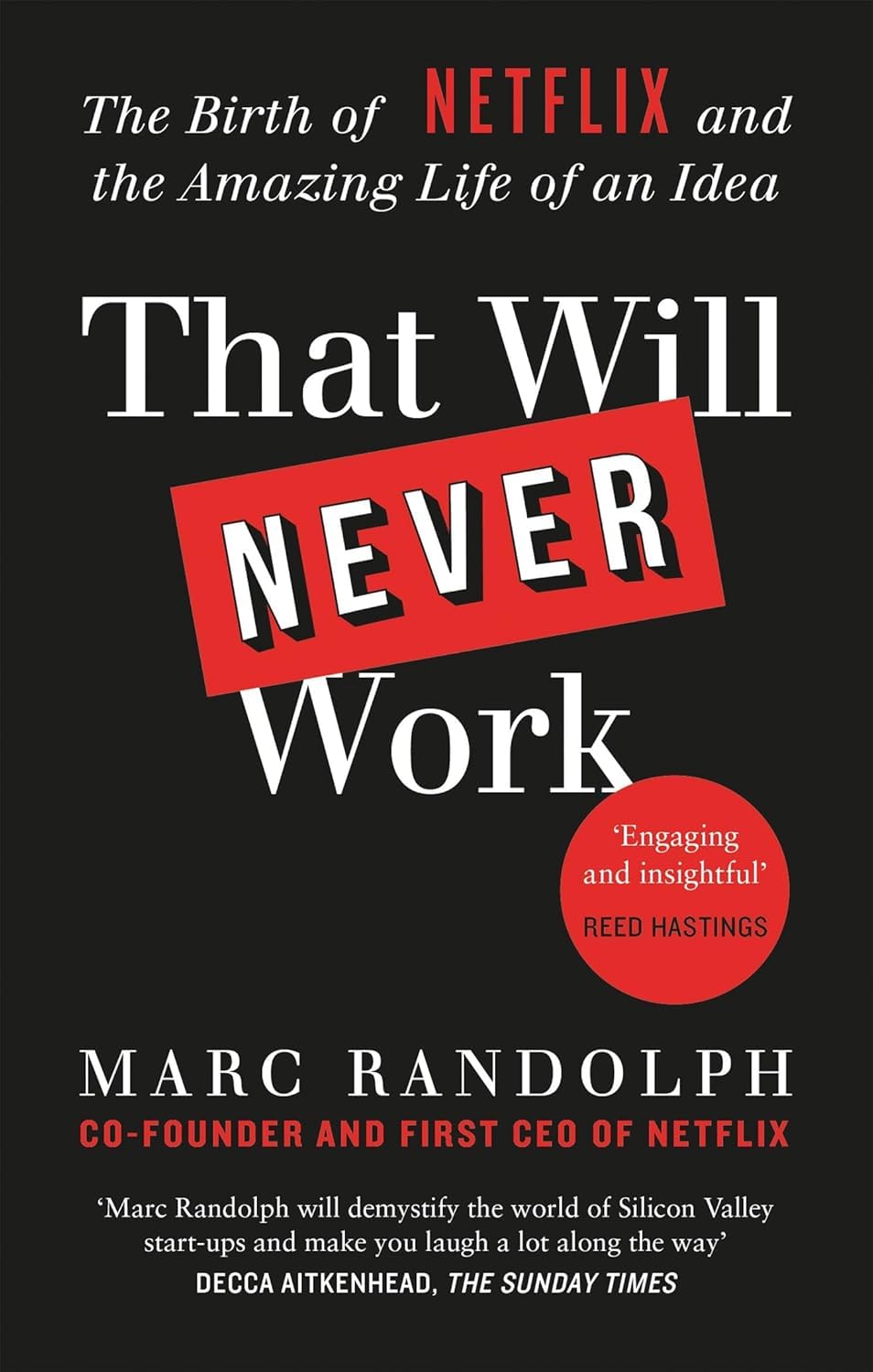
Various Publishers The Diary of a CEO, That Will Never Work & Fierce Conversations 3 Book Paperback Set - Business, Leadership & Communication Skills CollectionThis three-book paperback set brings together some of the sharpest voices in modern business thinking. The set includes The Diary of a CEO, That Will Never Work, and Fierce Conversations. Written by Steven Bartlett, Marc Randolph, and Susan Scott, these books offer timeless lessons from entrepreneurship and thousands of podcast conversations, the extraordinary true story of building Netflix from scratch, and the art of honest, high-impact conversation. Together they form a practical toolkit for anyone building a career, a company, or simply better relationships through clearer communication.29,99 £*Shipping: 2,99 £Secure redirect to the provider
-
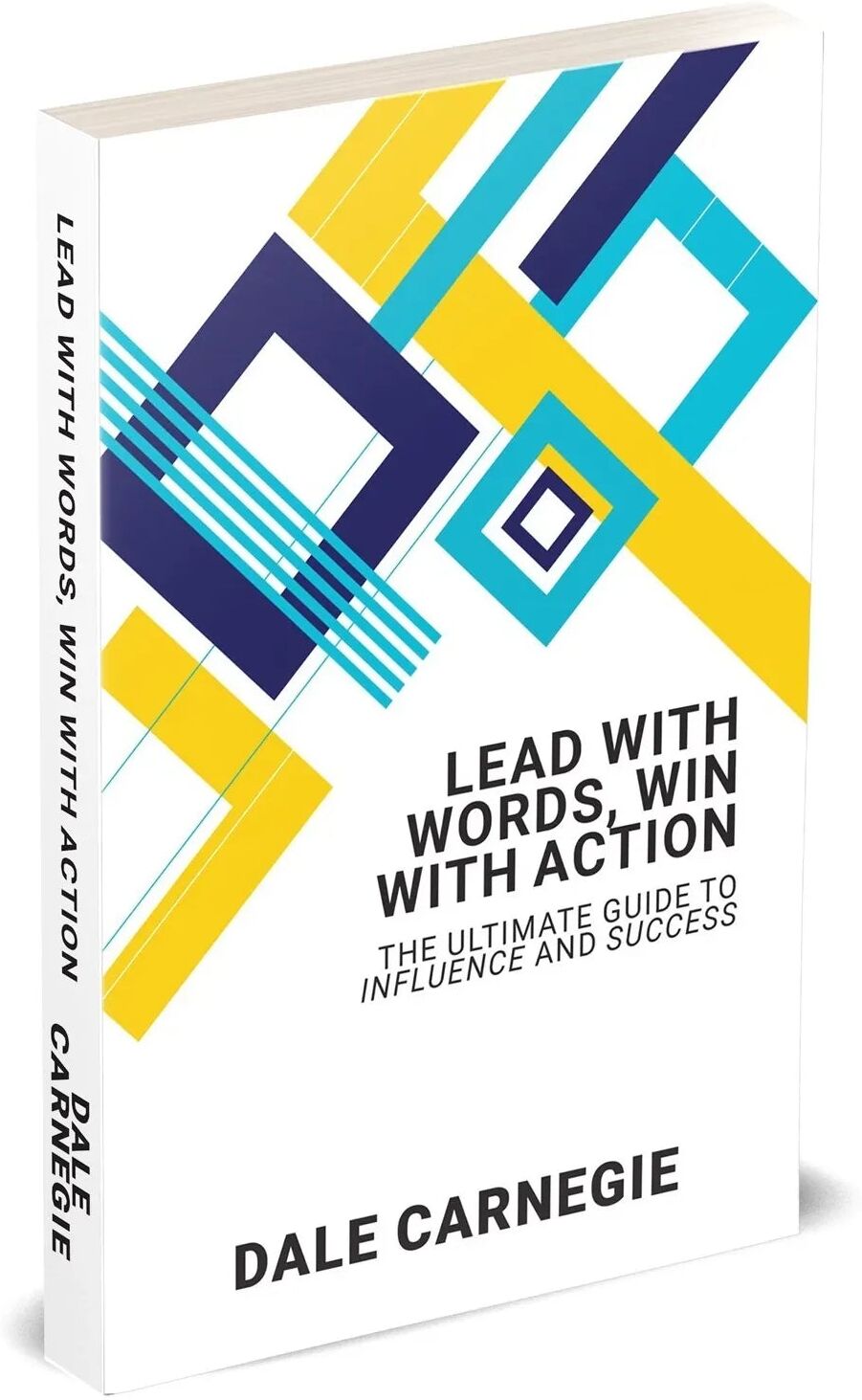
Rupa Publications Lead With Words, Win With Action by Dale Carnegie - Paperback Business & Leadership Self-Help Book - Practical Guide to Influence, CommunicationLead With Words, Win With Action by Dale Carnegie is a practical guide to communicating with confidence and leading with impact. This paperback book distils the enduring principles of Dale Carnegie's philosophy of influence into a modern guide for anyone who wants to build trust, motivate others, and convert conversation into real results. It blends timeless wisdom with actionable strategies for the modern workplace. The book explores how the right combination of language, listening, and follow-through can transform everyday interactions into lasting influence. Chapters cover practical topics such as how to open a conversation, disagree without creating an enemy, and more. Published by Rupa Publications, this book is a concise and energising read for anyone looking to improve their communication skills and leadership abilities.2,99 £*Shipping: 2,99 £Secure redirect to the provider
-
Wilco International LLP How to Win Friends and Influence People by Dale Carnegie Classic Self Help Book on Communication, Leadership, Confidence & Personal DevelopmentDiscover one of the world's best-known personal development books with How to Win Friends and Influence People by Dale Carnegie. First published in 1936, this enduring classic presents practical principles for communicating effectively, building positive relationships and working successfully with other people. Through memorable examples and straightforward advice, Carnegie explores how to make a positive impression, handle disagreements constructively, encourage cooperation and become a more effective communicator. The principles can be applied across everyday life, from personal relationships and social situations to business, management, sales, networking and leadership. Accessible and practical, How to Win Friends and Influence People remains popular with readers interested in improving their communication skills, confidence, interpersonal relationships and professional development. Key Features Classic personal development book by Dale Carnegie Practical principles for improving communication Explores relationships, leadership and interpersonal skills Useful for business, management, sales and networking Helps readers understand effective people skills Suitable for personal and professional development Excellent gift for entrepreneurs, managers and self-improvement readers9,99 £*Shipping: 2,99 £Secure redirect to the provider


-
Why do colors have different wavelengths?
Colors have different wavelengths because they are a result of different frequencies of light. The wavelength of light determines its color, with shorter wavelengths corresponding to colors like blue and violet, and longer wavelengths corresponding to colors like red and orange. When light interacts with an object, certain wavelengths are absorbed and others are reflected, which is what we perceive as color. Therefore, the different wavelengths of light are responsible for the variety of colors we see in the world around us. **
-
Why are the rings of an electron diffraction tube larger at higher wavelengths than at lower wavelengths?
The rings of an electron diffraction tube are larger at higher wavelengths than at lower wavelengths because the wavelength of the electrons is inversely proportional to their momentum. This means that as the wavelength increases, the momentum of the electrons decreases. With lower momentum, the electrons are less able to penetrate the atomic structure of the material being studied, resulting in larger diffraction rings. Conversely, at lower wavelengths, the higher momentum of the electrons allows them to penetrate the atomic structure more effectively, resulting in smaller diffraction rings. **
-
How do you calculate wavelengths in water?
To calculate the wavelength of a wave in water, you can use the formula: wavelength = speed of wave / frequency of wave. The speed of the wave in water can be calculated using the formula: speed = frequency * wavelength. The frequency of the wave can be determined by the source of the wave, and the wavelength can be measured by observing the distance between two consecutive wave crests or troughs. By using these formulas, you can calculate the wavelength of a wave in water. **
-
What is the reflection of adjacent wavelengths?
The reflection of adjacent wavelengths refers to the phenomenon where light waves of different wavelengths are reflected off a surface. When light waves with adjacent wavelengths, such as red and orange, hit a surface, they may be reflected at different angles or with different intensities. This can result in the separation of colors, as seen in a rainbow or in the iridescence of certain materials. The reflection of adjacent wavelengths is a key factor in the perception of color and the behavior of light. **

What are the wavelengths of the Lyman series?
The Lyman series consists of ultraviolet spectral lines in the hydrogen atom. The wavelengths of the Lyman series range from approximately 91 nm to 122 nm. These wavelengths correspond to transitions of electrons in hydrogen atoms from higher energy levels to the ground state. The Lyman series is named after its discoverer, Theodore Lyman. **
How can I play Life is Strange: Wavelengths?
To play Life is Strange: Wavelengths, you will need to have the base game Life is Strange: True Colors installed on your gaming platform. Wavelengths is a DLC (downloadable content) episode that focuses on the character Steph Gingrich. Once you have the base game, you can purchase and download the Wavelengths DLC from the respective digital store for your platform, such as Steam, PlayStation Store, or Xbox Store. After downloading the DLC, you can access and play Wavelengths from within the main menu of Life is Strange: True Colors. **
Top-Angebote
Products related to Wavelengths:
-
Unicskin Unicled 5.0 Centurion Korean Mask with 8 Wavelengths and AI 1 un.A facial mask for dark spots and uneven skin tone. Painless, needle-free, and scientifically proven to transform your skin in just 20 minutes. Delivers visible results in just one session. Treats the full face: forehead, nose, cheeks, lip area and nasolabial folds. Targets multiple skin concerns: wrinkles, acne, dark spots and loss of firmness.434,82 £*Shipping: 0,00 £Secure redirect to the provider
-
MACMILLAN Kim Scott Collection 2 Books Set Radical Respect & Radical Candor – Leadership, Communication & Workplace Culture GuidesThe Kim Scott Collection – 2 Books Set brings together two transformative leadership bestsellers: Radical Respect and Radical Candor. Written by acclaimed workplace expert Kim Scott, these books offer practical, honest, and empowering guidance for building stronger teams, better communication, and healthier workplace cultures. In Radical Candor, Scott introduces her now-famous framework:Care Personally + Challenge Directly.Learn how to deliver feedback effectively, build trust, and lead with clarity without becoming overly harsh or avoiding difficult conversations. In Radical Respect, Scott expands on inclusion, fairness, accountability and anti-bullying frameworks—showing readers how to build workplaces rooted in dignity, psychological safety, and genuine respect. Together, these books provide a complete roadmap for leaders, managers, HR teams and anyone who wants to communicate better, lead with courage, and create workplaces where people thrive.6,99 £*Shipping: 2,99 £Secure redirect to the provider
-
Various Publishers How to Talk to Anyone, Next Conversation & Psychology of Management - 3 Book Paperback Set - Communication, Leadership & Management PsychologyThis 3-book collection set brings together three practical, people-focused reads for anyone who wants to communicate better and lead more effectively. Leil Lowndes' classic 'How to Talk to Anyone' pairs with Jefferson Fisher's 'Next Conversation' and a foundational 'Psychology of Management' title to cover everyday conversation, conflict resolution, and workplace psychology in one bundle. Whether you are prepping for interviews, managing a team, or simply want to feel more confident in social situations, this paperback set offers accessible, actionable guidance you can start using immediately. The set includes 'How to Talk to Anyone' by Leil Lowndes, 'Next Conversation' by Jefferson Fisher, and 'Psychology of Management'.20,99 £*Shipping: 2,99 £Secure redirect to the provider
-
Various Publishers The Diary of a CEO, That Will Never Work & Fierce Conversations 3 Book Paperback Set - Business, Leadership & Communication Skills CollectionThis three-book paperback set brings together some of the sharpest voices in modern business thinking. The set includes The Diary of a CEO, That Will Never Work, and Fierce Conversations. Written by Steven Bartlett, Marc Randolph, and Susan Scott, these books offer timeless lessons from entrepreneurship and thousands of podcast conversations, the extraordinary true story of building Netflix from scratch, and the art of honest, high-impact conversation. Together they form a practical toolkit for anyone building a career, a company, or simply better relationships through clearer communication.29,99 £*Shipping: 2,99 £Secure redirect to the provider
-
How can one filter wavelengths?
One can filter wavelengths by using materials that selectively absorb or transmit certain wavelengths of light. For example, colored filters can be used to absorb specific wavelengths of light while allowing others to pass through. Additionally, interference filters can be used to selectively transmit certain wavelengths by exploiting the wave nature of light. These filters are made by depositing thin layers of materials with specific optical properties onto a substrate. By carefully designing the thickness and composition of these layers, interference filters can be engineered to transmit only the desired wavelengths of light. **
-
How can wavelengths be filtered?
Wavelengths can be filtered using various optical filters such as bandpass filters, longpass filters, and shortpass filters. These filters work by selectively transmitting or blocking certain wavelengths of light while allowing others to pass through. Bandpass filters only allow a specific range of wavelengths to pass through, while longpass filters transmit longer wavelengths and shortpass filters transmit shorter wavelengths. By using these filters, specific wavelengths of light can be isolated or removed from a light source. **
-
Why do colors have different wavelengths?
Colors have different wavelengths because they are a result of different frequencies of light. The wavelength of light determines its color, with shorter wavelengths corresponding to colors like blue and violet, and longer wavelengths corresponding to colors like red and orange. When light interacts with an object, certain wavelengths are absorbed and others are reflected, which is what we perceive as color. Therefore, the different wavelengths of light are responsible for the variety of colors we see in the world around us. **
-
Why are the rings of an electron diffraction tube larger at higher wavelengths than at lower wavelengths?
The rings of an electron diffraction tube are larger at higher wavelengths than at lower wavelengths because the wavelength of the electrons is inversely proportional to their momentum. This means that as the wavelength increases, the momentum of the electrons decreases. With lower momentum, the electrons are less able to penetrate the atomic structure of the material being studied, resulting in larger diffraction rings. Conversely, at lower wavelengths, the higher momentum of the electrons allows them to penetrate the atomic structure more effectively, resulting in smaller diffraction rings. **
Similar search terms for Wavelengths
-
Rupa Publications Lead With Words, Win With Action by Dale Carnegie - Paperback Business & Leadership Self-Help Book - Practical Guide to Influence, CommunicationLead With Words, Win With Action by Dale Carnegie is a practical guide to communicating with confidence and leading with impact. This paperback book distils the enduring principles of Dale Carnegie's philosophy of influence into a modern guide for anyone who wants to build trust, motivate others, and convert conversation into real results. It blends timeless wisdom with actionable strategies for the modern workplace. The book explores how the right combination of language, listening, and follow-through can transform everyday interactions into lasting influence. Chapters cover practical topics such as how to open a conversation, disagree without creating an enemy, and more. Published by Rupa Publications, this book is a concise and energising read for anyone looking to improve their communication skills and leadership abilities.2,99 £*Shipping: 2,99 £Secure redirect to the provider
-
Wilco International LLP How to Win Friends and Influence People by Dale Carnegie Classic Self Help Book on Communication, Leadership, Confidence & Personal DevelopmentDiscover one of the world's best-known personal development books with How to Win Friends and Influence People by Dale Carnegie. First published in 1936, this enduring classic presents practical principles for communicating effectively, building positive relationships and working successfully with other people. Through memorable examples and straightforward advice, Carnegie explores how to make a positive impression, handle disagreements constructively, encourage cooperation and become a more effective communicator. The principles can be applied across everyday life, from personal relationships and social situations to business, management, sales, networking and leadership. Accessible and practical, How to Win Friends and Influence People remains popular with readers interested in improving their communication skills, confidence, interpersonal relationships and professional development. Key Features Classic personal development book by Dale Carnegie Practical principles for improving communication Explores relationships, leadership and interpersonal skills Useful for business, management, sales and networking Helps readers understand effective people skills Suitable for personal and professional development Excellent gift for entrepreneurs, managers and self-improvement readers9,99 £*Shipping: 2,99 £Secure redirect to the provider
-
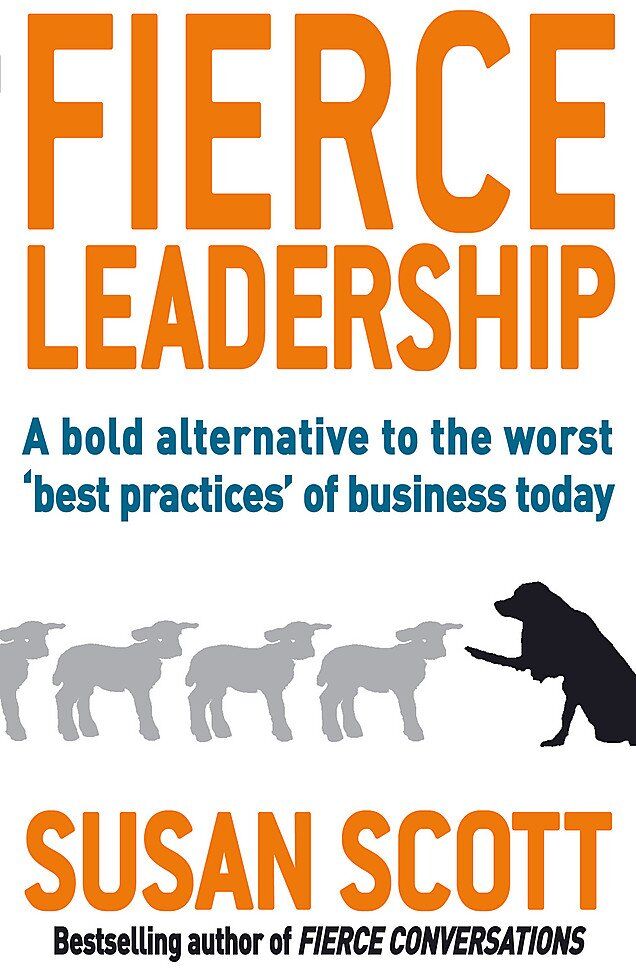
Fierce Leadership by Susan Scott - Piatkus Paperback - Business & Leadership - 336 PagesFierce Leadership by Susan Scott is a candid, research-driven challenge to the management mantras most businesses take for granted. Susan Scott, the bestselling author behind Fierce Conversations, argues that popular 'best practices' like hiring smart people or holding people accountable often quietly undermine performance, morale, and customer loyalty. Drawing on years of work inside Fortune 500 boardrooms, she offers a sharper, more honest alternative: leadership built on courageous, focused conversations rather than corporate slogans. This non-fiction paperback book explores how leadership functions inside high-performing organisations and how it fails inside ordinary ones. Susan Scott spent over a decade studying the inner workings of successful companies and presents her findings in this insightful book.2,99 £*Shipping: 2,99 £Secure redirect to the provider
-
Tisserand Aromatherapy Tisserand The Little Box of Motivation 3x10mlRevitalise and revive your mind with Tisserand's Little Box of Motivation, including 3 pulse point roller balls. Contents • Happy Vibes Roller Ball 10ml • Find Focus Roller Ball 10ml • Energy Boost Roller Ball 10ml Formulated with 100% natural pure essential oils, these roller balls can be applied at the temples, neck and wrists or apply behind the ears. Wake up and be ready for the day ahead with these mood-enhancing roller balls. Tisserand Happy Vibes Pulse Point Roller Ball is designed to provide stamina during tiring moments. Formulated with euphoric bergamot oil, energising grapefruit oil and uplifting lime oil. Finding focus certainly isn't always easy. Provide your body and mind with an instant burst of focus with the Tisserand Find Focus Pulse Point Roller Ball. The perfect blend, enriched in Peppermint, soothing Lavender and uplifting Lemon, this is an aromatherapy roller ball with drive! Tisserand Energy High Pulse Point Roller Ball is designed to ease tension in the head, providing a cool release. Formulated with cooling white mint oil, restorative lavender oil and reviving lemon oil. Ingredients Happy Vibes Roller Ball: Caprylic/Capric Triglyceride, Amyris Balsamifera (Amyris) Bark Oil, Citrus Aurantium Bergamia (Bergamot) Peel Oil, Leptospermum Petersonii (Lemon Tea Tree) Oil, Citrus Aurantium Amara (Petitgrain) Leaf/Twig Oil, Mentha Citrata Herb Oil, Myristica Fragrans (Nutmeg) Kernel Oil, Linalool*, Limonene*, Geraniol*, Citral*, Farnesol*. Find Focus Roller Ball: Caprylic/Capric Triglyceride, Rosmarinus Officinalis (Rosemary) Leaf Oil, Citrus Paradisi (Grapefruit) Peel Oil, Cedrus Deodara (Cedarwood) Wood Oil, Coriandrum Sativum (Coriander) Seed Oil, Citrus Aurantium Amara (Petitgrain) Leaf/Twig Oil, Pelargonium Graveolens (Geranium) Oil, Jasminum Officinale (Jasmine) Flower Oil, Lavandula Angustifolia (Lavender) Oil, Tocopherol, Limonene*, Linalool*, Geraniol*, Citronellol*, Citral*, Benzyl Benzoate*, Benzyl Alcohol*, Eugenol*, Benzyl Salicylate*. Energy Boost Roller Ball: Caprylic/Capric Triglyceride, Citrus Aurantium Dulcis (Orange) Peel Oil, Citrus Aurantifolia (Lime) Peel Oil, Citrus Aurantium Bergamia (Bergamot) Peel Oil, Citrus Paradisi (Grapefruit) Peel Oil, Citrus Aurantium Amara (Petitgrain) Leaf/Twig Oil, Coriandrum Sativum (Coriander) Seed Oil, Cupressus Sempervirens (Cypress) Leaf Oil, Juniperus Communis (Juniper Berry) Fruit Oil, Limonene*, Linalool*, Citral*, Geraniol*. *Naturally occurring within essential oils10,59 £*Shipping: 2,95 £Secure redirect to the provider
-
How do you calculate wavelengths in water?
To calculate the wavelength of a wave in water, you can use the formula: wavelength = speed of wave / frequency of wave. The speed of the wave in water can be calculated using the formula: speed = frequency * wavelength. The frequency of the wave can be determined by the source of the wave, and the wavelength can be measured by observing the distance between two consecutive wave crests or troughs. By using these formulas, you can calculate the wavelength of a wave in water. **
-
What is the reflection of adjacent wavelengths?
The reflection of adjacent wavelengths refers to the phenomenon where light waves of different wavelengths are reflected off a surface. When light waves with adjacent wavelengths, such as red and orange, hit a surface, they may be reflected at different angles or with different intensities. This can result in the separation of colors, as seen in a rainbow or in the iridescence of certain materials. The reflection of adjacent wavelengths is a key factor in the perception of color and the behavior of light. **
-
What are the wavelengths of the Lyman series?
The Lyman series consists of ultraviolet spectral lines in the hydrogen atom. The wavelengths of the Lyman series range from approximately 91 nm to 122 nm. These wavelengths correspond to transitions of electrons in hydrogen atoms from higher energy levels to the ground state. The Lyman series is named after its discoverer, Theodore Lyman. **
-
How can I play Life is Strange: Wavelengths?
To play Life is Strange: Wavelengths, you will need to have the base game Life is Strange: True Colors installed on your gaming platform. Wavelengths is a DLC (downloadable content) episode that focuses on the character Steph Gingrich. Once you have the base game, you can purchase and download the Wavelengths DLC from the respective digital store for your platform, such as Steam, PlayStation Store, or Xbox Store. After downloading the DLC, you can access and play Wavelengths from within the main menu of Life is Strange: True Colors. **
* All prices are inclusive of VAT and, if applicable, plus shipping costs. The offer information is based on the details provided by the respective shop and is updated through automated processes. Real-time updates do not occur, so deviations can occur in individual cases. ** Note: Parts of this content were created by AI.